Building an off grid garage presents an opportunity to incorporate sustainable features that can help reduce your environmental impact and lower your reliance on conventional utilities. By considering sustainable features when designing your off grid garage, you can create a space that not only meets your functional needs but also aligns with your values for a more eco-friendly lifestyle. In this article, we'll explore 10 sustainable features to consider when building your off grid garage. From solar panels to composting toilets, each of these features offers unique benefits that can help you achieve a more sustainable lifestyle while living off the grid. By incorporating these features into your off grid garage, you can enjoy a space that's both functional and environmentally responsible.
Here are ten sustainable features to consider for your off grid garage:
- Solar Panels
- Rainwater Collection System
- Composting Toilet
- Green Roof
- Energy-Efficient Lighting
- Passive Solar Design
- Reclaimed Building Materials
- Insulation
- Natural Ventilation
- Permeable Driveway
1. Solar Panels
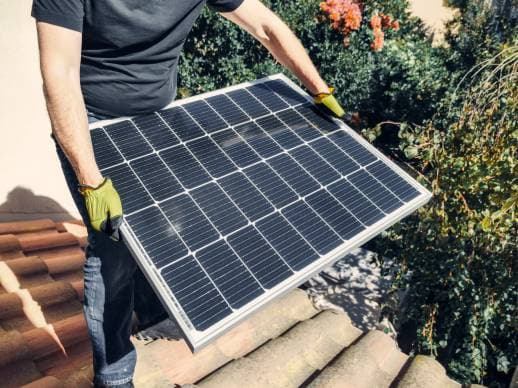
Solar panels are an essential feature to consider when building a sustainable off grid garage. They are a renewable source of energy that can provide electricity to power your garage and any other buildings on your property. Solar panels convert sunlight into direct current (DC) electricity, which can then be converted into alternating current (AC) electricity that can be used to power your appliances and tools.
There are two types of solar panels: rooftop and ground-mounted. Rooftop solar panels are installed on the roof of your garage or home, while ground-mounted panels are installed on the ground. Rooftop panels are a popular choice because they don't take up any additional space and can be installed without interfering with the landscape. However, ground-mounted panels are a good alternative if you don't have enough roof space or if you want to install a larger system. Solar panels come in different sizes and wattage, and the size of your system will depend on your energy needs. It's essential to consider your energy consumption when sizing your solar panel system. You can calculate your energy needs by adding up the wattage of all the appliances and tools you plan to use in your off grid garage. Once you know your energy needs, you can size your solar panel system accordingly.
Solar panels require little maintenance, but it's essential to keep them clean and free of debris to ensure maximum efficiency. Regular cleaning can help to remove dirt and debris that may block the sunlight from reaching the panels. It's also important to monitor your solar panel system to ensure that it's producing the expected amount of energy.
One thing to consider when installing solar panels is the orientation and angle of your panels. The orientation and angle of your panels can affect their performance. Solar panels should face south for optimal sunlight exposure in the Northern Hemisphere and north in the Southern Hemisphere. The angle of your panels should be adjusted based on your latitude to maximize energy production.
Solar panels are an excellent investment for anyone looking to build a sustainable off grid garage. They are a renewable source of energy that can provide electricity to power your garage and reduce your carbon footprint. When considering solar panels, it's essential to size your system based on your energy needs and monitor your panels' performance regularly to ensure maximum efficiency.
2. Rainwater Collection System

A rainwater collection system is a sustainable feature to consider when building an off grid garage. Harvesting rainwater can provide a source of water for your garage, tools, and other outdoor activities. Rainwater collection systems capture water that would otherwise be lost to runoff and store it for later use.
Here are some things to consider when building a rainwater collection system:
-
Rainwater Collection Area: The collection area is the surface where rainwater is captured and directed into the collection system. The collection area can be the roof of your off grid garage or any other building on your property. The collection area should be clean and free of debris to ensure that the collected water is safe to use. Gutters and Downspouts: Gutters and downspouts are essential components of a rainwater collection system. They direct water from the collection area to the storage tank. The gutters and downspouts should be free of debris to prevent clogging and ensure that the water flows smoothly.
-
Storage Tank: The storage tank is where the collected water is stored. The tank can be made of various materials such as plastic, concrete, or metal. The size of the storage tank will depend on the amount of rainwater you plan to collect and your water needs.
-
Filtration System: A filtration system is necessary to remove debris and contaminants from the collected water. The filtration system can be as simple as a screen filter or as complex as a multi-stage filtration system.
-
Pump System: A pump system is necessary to move water from the storage tank to where it's needed. The pump system can be solar-powered or powered by a generator or other renewable energy sources.
-
Overflow System: An overflow system is necessary to prevent water from backing up and causing damage to the collection area or storage tank. The overflow system can be a simple overflow pipe or a more complex system that directs excess water to a garden or other outdoor areas.
When designing and building a rainwater collection system, it's important to consider local regulations and ensure that the system is safe and legal. It's also important to maintain the system regularly to ensure that it's functioning properly and to prevent contamination.
Rainwater collection system can provide a source of water for your garage, tools, and other outdoor activities while reducing your dependence on municipal water sources. When building a rainwater collection system, it's important to consider the collection area, gutters and downspouts, storage tank, filtration system, pump system, and overflow system to ensure that the system is safe and functioning properly.
3. Composting Toilet

If you're building an off grid garage, it's worth considering a composting toilet as a sustainable feature. These toilets use natural processes to break down human waste into compost that can be used as fertilizer for plants.
Here are a few key factors to keep in mind when installing a composting toilet:
-
Types of Composting Toilets: There are two main types of composting toilets: self-contained and remote. Self-contained composting toilets are standalone units that contain both the toilet and the composting chamber. Remote composting toilets have a separate composting chamber that is located outside of the toilet.
-
Ventilation: A composting toilet requires proper ventilation to ensure that the composting process is working correctly and to prevent odors. The ventilation system should include a fan and exhaust pipe that directs air outside of the building.
-
Carbon Material: A composting toilet requires a carbon-rich material, such as sawdust or coconut coir, to help break down the waste and prevent odors. The carbon material should be added after each use to help maintain the proper balance of carbon and nitrogen.
-
Maintenance: A composting toilet requires regular maintenance to ensure that the composting process is working correctly. This includes adding carbon material after each use, monitoring the temperature and moisture level of the compost, and periodically emptying the compost bin.
-
Legal Considerations: Composting toilets may not be legal in all areas, so it's important to check local regulations before installing a composting toilet. Some areas require permits or have specific regulations regarding the design and installation of composting toilets.
Composting toilets are a sustainable alternative to traditional flush toilets that can save water and reduce the environmental impact of sewage treatment. When designing and building a composting toilet, it's important to consider the type of toilet, ventilation, carbon material, maintenance, and legal considerations. A well-designed and maintained composting toilet can provide a sustainable and cost-effective solution for off grid living.
4. Green Roof

When constructing an off grid garage, it's worth contemplating the incorporation of a green roof as an environmentally-friendly attribute. A green roof, which is also referred to as a living roof or vegetated roof, consists of a roof that is coated with vegetation, soil, and other organic materials.
Here are a few factors to consider when installing a green roof:
-
Structural Support: A green roof adds additional weight to the roof, so it's important to ensure that the roof can support the weight of the green roof. The structural support should be designed to handle the weight of the soil, plants, and other materials.
-
Waterproofing: A waterproofing membrane is necessary to protect the roof from moisture and prevent water from seeping into the building. The waterproofing membrane should be durable and designed to last for the life of the green roof.
-
Growing Medium: The growing medium is the soil and other organic materials that provide nutrients and support for the plants. The growing medium should be lightweight and have good drainage to prevent water from pooling on the roof.
-
Plants: The selection of plants will depend on the local climate, the amount of sunlight the roof receives, and the desired aesthetic. The plants should be drought-resistant and able to withstand the wind and weather conditions.
-
Maintenance: A green roof requires regular maintenance to ensure that the plants are healthy and the roof is functioning correctly. This includes watering, pruning, and fertilizing the plants, as well as removing debris and monitoring for pests.
-
Benefits: A green roof provides many benefits, including reducing stormwater runoff, improving air quality, reducing the urban heat island effect, and providing a habitat for wildlife.
When designing and building a green roof, it's important to work with a professional who has experience with green roof construction. A well-designed and maintained green roof can provide a sustainable and cost-effective solution for off grid living while providing many environmental benefits.
5. Energy-Efficient Lighting

Lighting is a critical aspect of any building, but it can also be a major energy consumer. Opting for energy-efficient lighting is a sustainable feature worth considering.
Here are a few factors to keep in mind when selecting energy-efficient lighting for your off grid garage:
-
LED Lighting: LED (Light Emitting Diode) lighting is a popular and energy-efficient option. LED lights use less energy than traditional incandescent bulbs and have a longer lifespan.
-
Natural Lighting: Natural lighting can also be an energy-efficient option. Installing windows and skylights can provide natural light during the day and reduce the need for artificial lighting.
-
Lighting Controls: Lighting controls, such as timers, motion sensors, and dimmer switches, can help reduce energy consumption by only turning on lights when they are needed and adjusting the brightness level based on the amount of natural light in the room.
-
Wattage: When selecting light bulbs, it's important to consider the wattage. Lower wattage bulbs consume less energy and can still provide sufficient lighting.
-
Light Fixtures: The type of light fixtures can also impact energy consumption. Choosing fixtures that are designed to work with energy-efficient bulbs can help maximize energy savings.
-
Maintenance: Regular maintenance, such as cleaning light fixtures and replacing bulbs when needed, can also help ensure that the lighting system is functioning efficiently.
By selecting energy-efficient lighting options and implementing lighting controls, it's possible to significantly reduce the energy consumption of a building. Additionally, using natural lighting sources can further reduce energy consumption and provide other benefits, such as improving the overall aesthetic of the building. When designing an off grid garage, it's important to consider all of these factors to create an energy-efficient and sustainable lighting system.
6. Passive Solar Design
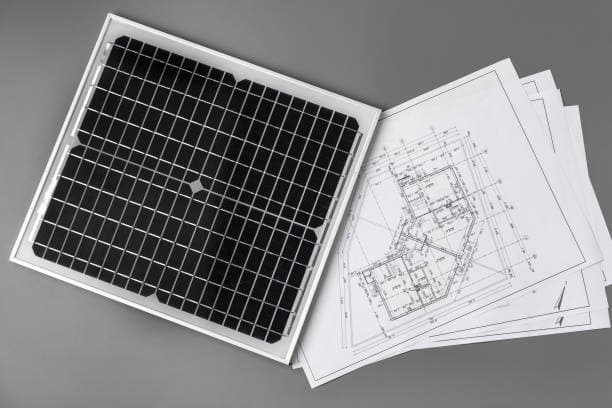
Passive solar design is a technique that harnesses the sun's energy to heat and cool a building, without relying on mechanical systems. Incorporating this sustainable feature can have significant benefits.
Here are some factors to consider when incorporating passive solar design into your off-grid garage:
Orientation: The orientation of the building is important when implementing passive solar design. Ideally, the building should be oriented so that the longest side faces south to maximize solar gain during the winter months.
Windows: Windows are an important component of passive solar design. Windows should be strategically placed to allow for maximum solar gain during the winter and to provide shading during the summer.
Thermal Mass: Thermal mass refers to materials that can absorb and store heat, such as concrete or brick. By incorporating thermal mass into the building design, the heat can be stored during the day and released at night to keep the building warm.
Insulation: Proper insulation is important to prevent heat loss during the winter months and to keep the building cool during the summer months. Insulation should be installed in the walls, ceiling, and floor of the building.
Ventilation: Proper ventilation is important to prevent overheating during the summer months. Natural ventilation, such as operable windows or vents, can help regulate the temperature in the building.
Overhangs: Overhangs can provide shading during the summer months to prevent overheating and can be designed to allow for maximum solar gain during the winter months.
Passive solar design is particularly effective in off grid buildings because it can help reduce the need for mechanical heating and cooling systems, which can be expensive and require a significant amount of energy to operate. When designing an off grid garage, it's important to work with a professional who has experience with passive solar design to ensure that the design is optimized for the local climate and conditions.
7. Reclaimed Building Materials

Incorporating reclaimed building materials in your off grid garage is an eco-friendly approach that benefits the environment. Reclaimed materials are salvaged from other structures and repurposed for new building projects.
Here are a few factors to keep in mind when using reclaimed building materials in your off grid garage:
-
Environmental Impact: Using reclaimed materials can significantly reduce the environmental impact of a building project. By repurposing materials that would otherwise end up in a landfill, the amount of waste generated by the construction process is reduced.
-
Cost: In some cases, using reclaimed materials can be more cost-effective than purchasing new materials. While the cost of reclaimed materials can vary depending on the source and condition of the materials, it's often possible to find high-quality materials at a lower cost than new materials.
-
Aesthetics: Reclaimed materials can add character and uniqueness to a building project. The history and story behind the materials can also add to the overall aesthetic of the building.
-
Durability: Reclaimed materials are often of higher quality and more durable than new materials. This is because many of the materials were originally used in older buildings, which were constructed using traditional building methods and high-quality materials.
-
Health Benefits: Reclaimed materials can be healthier for occupants because they do not contain the chemicals and additives found in some new building materials.
-
Availability: Reclaimed materials can be sourced from a variety of locations, including salvage yards, demolition sites, and online marketplaces. However, it's important to work with a professional to ensure that the materials are safe and suitable for use in the building project.
Reclaimed materials can add character, reduce environmental impact, and save money on construction costs. When considering reclaimed materials for a building project, it's important to work with a professional to ensure that the materials are of high quality and safe for use.
8. Insulation

To ensure comfort and energy efficiency, insulation is a crucial component to incorporate in your off grid garage. It helps to reduce heat transfer between the interior and exterior of the building, ensuring a consistent and comfortable indoor temperature.
Here are some key factors to consider when incorporating insulation into your off grid garage:
-
Type of Insulation: There are many different types of insulation to choose from, including fiberglass, cellulose, and spray foam. Each type of insulation has its own unique characteristics, such as R-value (a measure of insulation effectiveness), cost, and environmental impact.
-
R-Value: The R-value of insulation is a measure of its effectiveness at reducing heat transfer. The higher the R-value, the more effective the insulation is at reducing heat transfer. It's important to choose an insulation material with an appropriate R-value for the local climate and conditions.
-
Location of Insulation: Insulation can be installed in the walls, ceiling, and floor of a building. It's important to ensure that all areas of the building are properly insulated to prevent heat loss or gain.
-
Installation: Proper installation is essential to ensure that the insulation is effective. Insulation should be installed tightly and without gaps to prevent air leakage.
-
Environmental Impact: Some types of insulation have a higher environmental impact than others. For example, fiberglass insulation can release harmful chemicals during manufacturing and installation. It's important to choose an insulation material with a low environmental impact.
-
Moisture Control: Moisture can reduce the effectiveness of insulation and can lead to mold growth. It's important to install a vapor barrier to prevent moisture from entering the building envelope.
When selecting insulation for a building project, it's important to work with a professional who has experience with sustainable building practices to ensure that the insulation is effective and environmentally friendly.
9. Natural Ventilation

Natural ventilation is an eco-friendly technique that uses natural air movement to circulate air and remove heat from a building. Incorporating this sustainable feature into your off grid garage can provide several benefits.
Here are a few things to consider when incorporating natural ventilation into your off grid garage:
-
Building Orientation: The orientation of the building can impact natural ventilation. The building should be positioned to take advantage of prevailing winds to promote natural air movement.
-
Window Placement: The placement and size of windows can impact natural ventilation. Windows should be positioned to allow for cross-ventilation, which promotes air circulation.
-
Roof Design: The design of the roof can impact natural ventilation. A gable roof with ridge vents can promote air movement through the building.
-
Shading: Shading can be used to reduce heat gain from the sun and promote natural ventilation. For example, planting trees or installing shade screens can reduce the amount of direct sunlight that enters the building.
-
Building Envelope: The building envelope should be designed to promote natural ventilation. This includes the use of breathable building materials and the installation of vents or louvers to promote air movement.
-
Climate Considerations: The local climate should be considered when designing for natural ventilation. In hot and humid climates, natural ventilation can be particularly effective at reducing the need for air conditioning.
Natural ventilation can also promote a healthier indoor environment by reducing the buildup of indoor air pollutants. When designing for natural ventilation, it's important to work with a professional who has experience with sustainable building practices to ensure that the building is properly designed and ventilated.
10. Permeable Driveway

Unlike traditional driveways, permeable driveways allow rainwater to seep through the surface and into the ground, reducing the risk of flooding and preventing contamination of nearby bodies of water.
Here are some key considerations when incorporating a permeable driveway into your off grid garage:
-Permeable Surface Materials: The surface of a permeable driveway is made up of materials that allow water to pass through. These materials can include gravel, pavers, or porous concrete.
-Drainage System: The drainage system beneath a permeable driveway is designed to capture rainwater and allow it to pass through the surface and into the ground below. This can involve the use of a layer of crushed stone or gravel beneath the surface to promote drainage.
-Installation: Proper installation is essential to ensure that a permeable driveway is effective at capturing and filtering rainwater. The driveway should be graded to promote drainage, and the drainage system should be properly installed and maintained.
-Environmental Impact: A permeable driveway can have a positive environmental impact by reducing stormwater runoff and promoting groundwater recharge. It's important to choose materials that have a low environmental impact, such as locally sourced materials or recycled materials.
-Maintenance: A permeable driveway requires regular maintenance to ensure that it remains effective at capturing and filtering rainwater. This can involve sweeping the surface to remove debris, and periodically checking the drainage system to ensure that it is functioning properly.
Permeable driveways help to reduce erosion and protect nearby bodies of water from pollution. When designing a permeable driveway, it's important to work with a professional who has experience with sustainable building practices to ensure that the driveway is properly designed and installed.
In conclusion, incorporating sustainable features into your off grid garage can have a significant impact on reducing your environmental footprint and improving your quality of life. By implementing features such as solar panels, rainwater collection systems, composting toilets, green roofs, and natural ventilation, you can reduce your reliance on conventional utilities while enjoying the benefits of a sustainable lifestyle. Additionally, features such as energy-efficient lighting, permeable driveways, and reclaimed building materials offer further opportunities to reduce waste and conserve resources. By considering these 10 sustainable features when building your off grid garage, you can create a space that's functional, comfortable, and environmentally responsible. Not only will you be contributing to a more sustainable future, but you'll also be enjoying the many benefits of living off the grid.