Living off the grid has become an increasingly popular lifestyle choice for those seeking independence and sustainability. One of the most important components of living off the grid is establishing a self-sustainable farm, where you can produce your own food and generate your own power. However, creating a self-sustainable farm requires careful planning and preparation. From choosing the right location to learning new skills, there are many factors to consider when establishing a self-sustainable farm. In this blog post, we will explore some key steps to help you get started on your journey to living off the grid and establishing a self-sustainable farm. Whether you are a seasoned farmer or a beginner, this guide will provide you with valuable insights to help you create a sustainable and self-sufficient lifestyle.
Living off the grid and establishing a self-sustainable farm can be a fulfilling and rewarding lifestyle choice. It takes a lot of hard work, dedication, and planning, but with the right knowledge and resources, it's possible to create a self-sufficient homestead that provides for all your basic needs.
Here are some steps to help you establish a self-sustainable farm:
- Choose the Right Location
- Plan your crops
- Raise livestock
- Collect and Store Water
- Generate Power
- Establish a Waste Management System
- Learn New Skills
1. Choose the Right Location
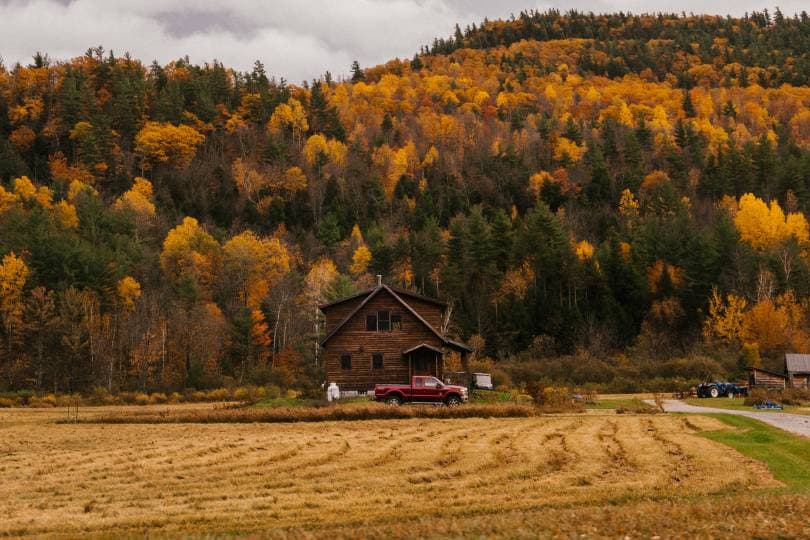
Choosing the right location for your self-sustainable farm is critical to its success. Here are some factors to consider:
-
Climate: Consider the average temperature and precipitation in the area you're considering. Some crops and livestock are better suited to certain climates, and extreme weather conditions can be a challenge to farming.
-
Soil Quality: Soil is the foundation of any farm. Look for land with healthy soil that is well-drained and has a good nutrient content. You can also conduct a soil test to determine the soil's pH and nutrient levels.
-
Water Availability: Access to clean water is essential for farming. Make sure that the area you choose has a reliable source of water for your crops and livestock.
-
Sunlight: Plants need sunlight to grow, so choose a location that receives plenty of sunlight. If you're planning on using solar panels to generate power, make sure the location has enough sun exposure for the panels to be effective.
-
Land Topography: The topography of the land can affect farming. Flat land is easier to farm than hilly or rocky terrain. Consider the accessibility of the land, as well as the slope and drainage.
-
Local Regulations: Check local regulations before purchasing land. Some areas have zoning laws that restrict what you can do with your land. It's also important to make sure that the land is not contaminated with hazardous materials.
-
Proximity to Markets: Consider the proximity of the land to markets where you can sell your produce or livestock. If the land is too far from markets, transportation costs can eat into your profits.
By considering these factors when choosing the location of your self-sustainable farm, you can increase the chances of success and ensure that your farm is well-suited to your needs and goals.
2. Plan your crops

Planning your crops is an important step in establishing a self-sustainable farm. Here are some factors to consider:
-
Climate and Soil Conditions: Different crops thrive in different climates and soil types. Research which crops are best suited to your area and soil type. Consider factors like temperature, humidity, rainfall, and soil pH.
-
Crop Rotation: Crop rotation is a technique where you plant different crops in the same area over time to maintain soil health and prevent pest and disease problems. Plan out a rotation schedule that will help maintain the health of your soil.
-
Companion Planting: Companion planting is the practice of planting different crops together that have a beneficial relationship. For example, planting beans and corn together can improve the soil quality and reduce pest problems. Research which crops grow well together and plan your garden or field accordingly.
-
Timing: Planting at the right time is important for a successful harvest. Consider the length of the growing season in your area and plan your planting schedule accordingly. You should also consider factors like the time needed for germination and growth, as well as the optimal harvesting time.
-
Diversity: Plan to grow a variety of crops to ensure a well-rounded diet and reduce the risk of crop failure. Diversity can also help improve soil health and reduce pest and disease problems.
-
Organic Methods: Consider using organic farming methods to reduce the use of harmful chemicals and promote sustainability. This can include using compost and natural fertilizers, as well as avoiding the use of pesticides and herbicides.
-
Space: Consider how much space you have available for planting and plan accordingly. You may need to prioritize which crops to grow based on space availability and which crops are most important for your needs.
By planning your crops carefully, you can increase the chances of a successful harvest and promote the long-term sustainability of your farm.
3. Raise livestock
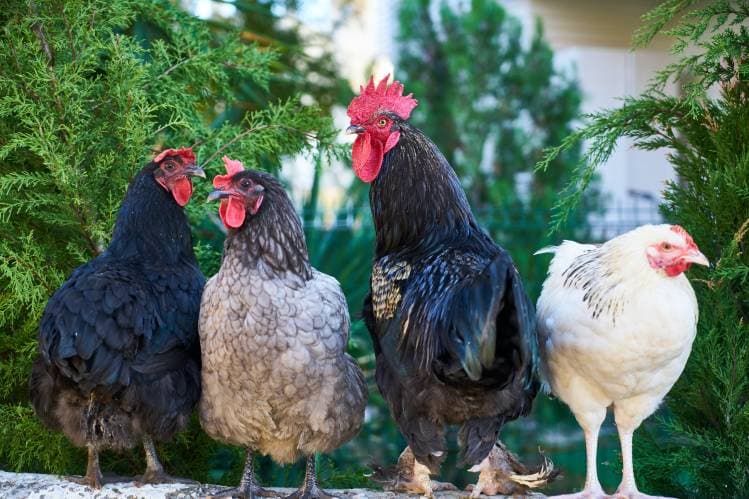
Raising livestock is a crucial component of a self-sustainable farm. Here are some factors to consider:
-
Local Regulations: Check local regulations before starting a livestock operation. Some areas have zoning laws that restrict the number and types of animals you can raise.
-
Animal Health: Keeping your animals healthy is important for their well-being and for the success of your farm. Plan to provide adequate food, water, and shelter for your animals. Also, consider a vaccination and deworming schedule to prevent the spread of disease.
-
Breeding: Plan to breed your animals for future generations. This will help you maintain a self-sustainable livestock operation. Research which breeds are best suited for your climate and goals.
-
Animal Nutrition: Providing proper nutrition for your animals is important for their health and growth. Plan to feed your animals a balanced diet that meets their nutritional needs. You can also consider growing your own animal feed on your farm.
-
Waste Management: Proper waste management is important for the health of your animals and the environment. Plan to dispose of animal waste properly and consider composting it to use as fertilizer for your crops.
-
Sustainable Practices: Consider using sustainable livestock practices, such as rotational grazing and raising animals on pasture, to reduce the impact on the environment and promote the health of your animals.
-
Butchering and Processing: Plan for butchering and processing your animals for meat. You can learn to do it yourself or hire a professional. Consider the cost of processing and storage, as well as the regulations that govern meat processing.
By raising livestock on your self-sustainable farm, you can increase the amount of food you produce and reduce your reliance on outside sources. However, it's important to plan carefully to ensure the health and well-being of your animals, as well as the sustainability of your operation.
4. Collect and Store Water
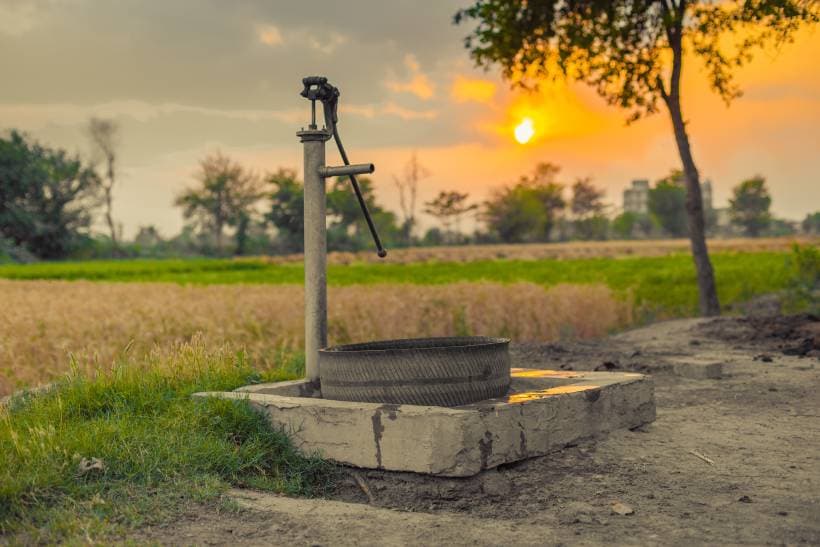
Collecting and storing water is a critical component of a self-sustainable farm. Here are some factors to consider:
-
Collection Method: There are several methods for collecting water on a farm, including rainwater harvesting, well drilling, and spring water collection. Choose the method that best suits your location and needs.
-
Storage Capacity: Determine how much water you will need and plan your storage capacity accordingly. Consider factors like the size of your farm, the number of crops and animals you have, and the average rainfall in your area.
-
Water Quality: Make sure the water you collect is clean and safe for consumption. Consider using a water filtration system to remove impurities and pathogens.
-
Irrigation System: Plan an irrigation system that will efficiently distribute water to your crops. Consider using drip irrigation, which uses less water than traditional methods, or flood irrigation, which can be more effective for certain crops.
-
Maintenance: Regular maintenance of your water collection and storage system is important to ensure its longevity and effectiveness. Plan to regularly clean and inspect your collection and storage equipment, and make any necessary repairs.
-
Conservation: Consider using water conservation techniques to reduce the amount of water you need to collect and store. This can include using mulch to retain moisture in the soil, planting drought-resistant crops, and using water-efficient irrigation methods.
-
Backup Plan: Plan for backup sources of water in case of drought or other emergencies. This can include digging a well or having a backup storage system.
By collecting and storing water on your self-sustainable farm, you can reduce your reliance on outside water sources and promote sustainability. However, it's important to plan carefully and maintain your water collection and storage system to ensure its effectiveness.
5. Generate Power
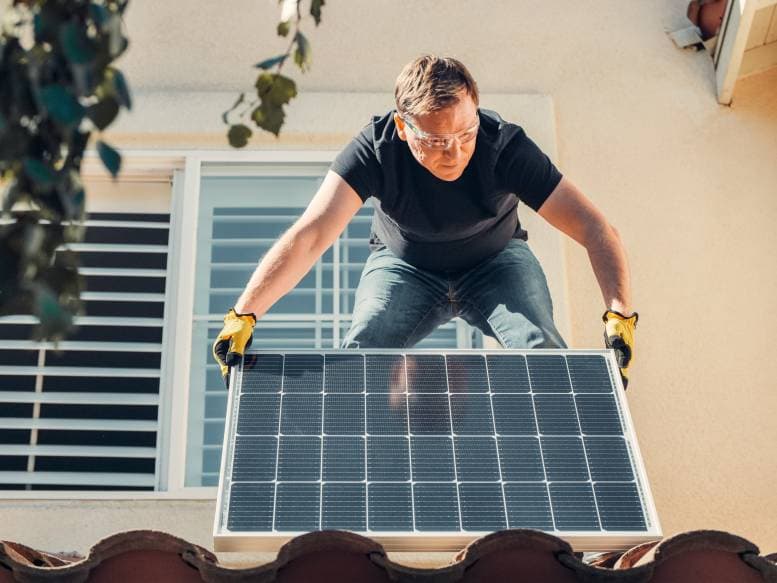
Generating power is an important component of a self-sustainable farm. Here are some factors to consider:
-
Energy Needs: Determine how much energy you will need for your farm operations. Consider factors like lighting, heating and cooling, water pumping, and power tools.
-
Renewable Energy Sources: Consider using renewable energy sources such as solar, wind, or hydro power. These sources are environmentally friendly and can be cost-effective in the long term. Choose the source that is most appropriate for your location and energy needs.
-
Backup Generator: Plan for a backup generator in case of power outages or other emergencies. A backup generator can also be useful during periods of low energy production from renewable sources.
-
Energy Efficiency: Plan to use energy-efficient appliances and equipment to reduce your energy consumption. This can include using LED lights, energy-efficient refrigerators and freezers, and high-efficiency heating and cooling systems.
-
Maintenance: Regular maintenance of your power generation system is important to ensure its effectiveness and longevity. Plan to regularly inspect and maintain your equipment and make any necessary repairs.
-
Energy Storage: Consider using a battery storage system to store excess energy generated by your renewable energy sources. This stored energy can be used during periods of low energy production or during power outages.
-
Cost: Consider the upfront costs and long-term savings of your power generation system. While renewable energy sources can be cost-effective in the long term, the upfront costs may be higher than traditional power sources.
By generating your own power on your self-sustainable farm, you can reduce your reliance on outside power sources and promote sustainability. However, it's important to plan carefully, maintain your equipment, and consider the upfront costs and long-term savings.
6. Establish a Waste Management System

Establishing a waste management system is a critical component of a self-sustainable farm. Here are some factors to consider:
-
Composting: Composting is an effective way to manage organic waste on a farm. Plan to compost food scraps, animal waste, and other organic matter to create nutrient-rich soil for your crops.
-
Recycling: Set up a recycling system to reduce the amount of waste that goes to landfills. Consider recycling paper, plastic, glass, and metal.
-
Hazardous Waste: Plan to dispose of hazardous waste properly. This can include chemicals, batteries, and electronics. Research local regulations and dispose of hazardous waste at an approved facility.
-
Manure Management: Proper manure management is important for the health of your animals and the environment. Plan to dispose of manure properly and consider composting it to use as fertilizer for your crops.
-
Waste Reduction: Consider ways to reduce waste on your farm. This can include reducing packaging, reusing materials, and buying in bulk.
-
Water Conservation: Conserving water is also a critical part of waste management. Plan to collect and store water, use water-efficient irrigation methods, and repair leaks promptly.
-
Education: Educate yourself and your staff on proper waste management techniques. Provide training and resources to ensure everyone understands the importance of waste management and knows how to implement it effectively.
By establishing a waste management system on your self-sustainable farm, you can reduce waste, promote sustainability, and create a healthier environment for your animals and crops. However, it's important to plan carefully and consider all aspects of waste management, from composting to hazardous waste disposal, to ensure its effectiveness.
7. Learn New Skills

Learning new skills is a critical component of establishing a self-sustainable farm. Here are some factors to consider:
-
Farming Techniques: Research and learn new farming techniques that promote sustainability and reduce environmental impact. This can include techniques such as crop rotation, intercropping, and using cover crops.
-
Animal Husbandry: Learn best practices for raising and caring for your animals. This can include proper feeding, breeding, and disease management.
-
Construction and Maintenance: Develop skills in construction and maintenance to build and maintain structures on your farm. This can include skills such as carpentry, plumbing, and electrical work.
-
Food Preservation: Learn methods for preserving and storing food. This can include techniques such as canning, pickling, and drying.
-
Renewable Energy Systems: Learn about renewable energy systems such as solar panels and wind turbines, and how to maintain and repair them.
-
Marketing and Sales: Develop skills in marketing and sales to effectively sell your products to customers. This can include skills such as branding, advertising, and social media marketing.
-
Continuous Learning: Continuously seek out opportunities to learn and improve your skills. Attend workshops, conferences, and training programs to stay up to date on new techniques and technologies.
By learning new skills on your self-sustainable farm, you can improve the efficiency and sustainability of your operations. However, it's important to be open to learning and continuously seek out new opportunities to improve your skills and knowledge.
Establishing a self-sustainable farm is a challenging but rewarding journey towards a more independent and sustainable lifestyle. By following the steps outlined in this guide, you can create a farm that provides you with food, water, and power, while minimizing your impact on the environment. Remember to choose the right location, plan your crops, raise livestock, collect and store water, generate power, establish a waste management system, and learn new skills to continuously improve your farm. Living off the grid is not just about self-sufficiency, it's about creating a sustainable future for ourselves and our planet. We hope this guide has inspired you to take the first step towards establishing your own self-sustainable farm and embarking on a journey towards a more sustainable lifestyle.