
Welcome to our guide on how to make off-grid water systems as a homestead. If you're looking to live off the grid or simply want to reduce your reliance on municipal water supplies, creating an off-grid water system can be an excellent solution. By using sustainable water sources such as rainwater or well water and implementing efficient water collection, storage, and distribution systems, you can create a reliable and self-sustaining water supply for your homestead. In this guide, we'll walk you through the key steps of determining your water needs, assessing your water source, designing your system, and building and maintaining your off-grid water system. With careful planning and attention to detail, you can create a water system that is efficient, sustainable, and resilient, and enjoy the benefits of self-sufficiency and independence that come with living off the grid.
Creating an off-grid water system for a homestead can be a challenging but rewarding endeavor. Here are some steps you can take to make your own off-grid water system:
- Determine your water needs
- Assess your water source
- Design your system
- Build your system
1. Determine your water needs

Determining your water needs is a critical first step in creating an off-grid water system for your homestead. Here are some key factors to consider when assessing your water needs:
-
Daily Usage: Start by calculating your daily water usage. Consider how many people will be living on the homestead and what activities will require water. For example, the average person uses about 80-100 gallons of water per day for drinking, cooking, bathing, and cleaning.
-
Seasonal Changes: Water usage can vary depending on the season. During the summer months, water usage may increase due to gardening or irrigation needs. In contrast, during winter, usage may decrease as outdoor activities decrease.
-
Water Quality: The quality of water needed will depend on its intended use. Drinking water requires the highest quality, while other activities such as irrigation may not require potable water.
-
Water Conservation: Even when living off the grid, it's important to conserve water. Consider implementing water-saving measures such as low-flow fixtures, rainwater harvesting, or graywater systems.
-
Emergency Water Needs: It's crucial to plan for emergency situations that may require additional water storage. A general rule of thumb is to have at least a week's worth of water supply available in case of a disaster or disruption in your water supply.
By carefully assessing your water needs, you can design an off-grid water system that meets your requirements and conserves this precious resource.
2. Assess your water source
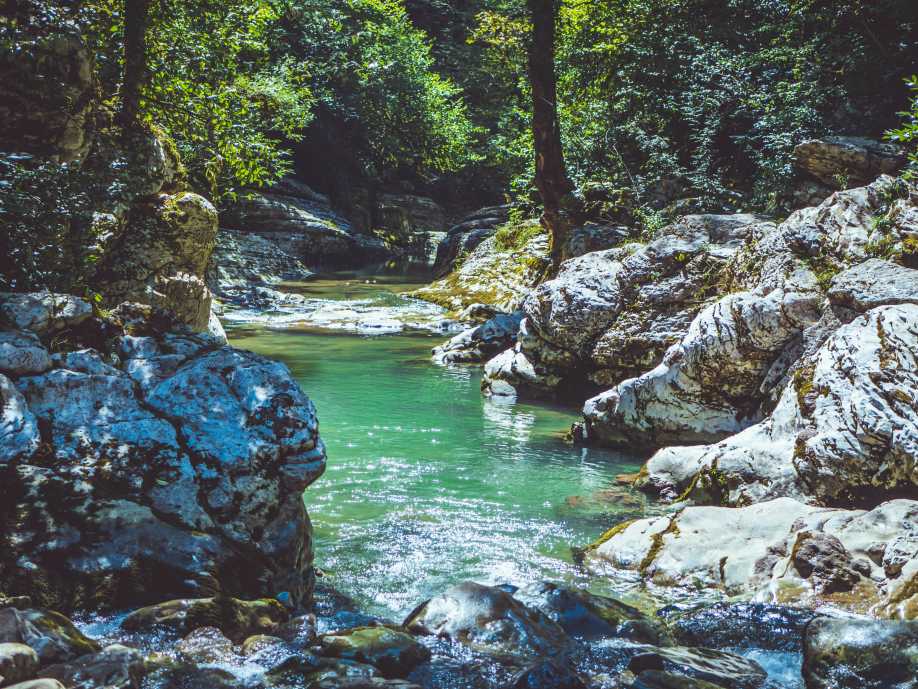
Assessing your water source is an important step when creating an off-grid water system for your homestead. Here are some key factors to consider when assessing your water source:
-
Quantity: Assess the amount of water available in your water source. This can be determined by measuring the flow rate, which is the volume of water passing through a point over a certain period of time. A low flow rate may indicate that your water source may not be suitable for your needs.
-
Quality: Determine the quality of the water available in your source. This can be determined by testing the water for contaminants such as bacteria, minerals, or chemicals. Potable water is free from any contaminants that could cause illness or disease.
-
Accessibility: Determine how accessible your water source is. If you're using a stream or river, consider the distance from your homestead, the terrain, and any obstacles that may make it difficult to transport water to your home. If you're using a well, consider the depth of the well and the quality of the water.
-
Seasonal Changes: Consider how your water source may change depending on the season. During the dry season, water levels may drop, and during the rainy season, water levels may rise. Plan accordingly and have enough water storage to accommodate seasonal changes.
-
Legal Considerations: Make sure that you have the legal right to use the water source. Depending on where you live, you may need to obtain permits or follow certain regulations to use your water source.
By assessing your water source carefully, you can determine whether it is suitable for your needs and design an off-grid water system that is efficient and sustainable.
3. Design your system
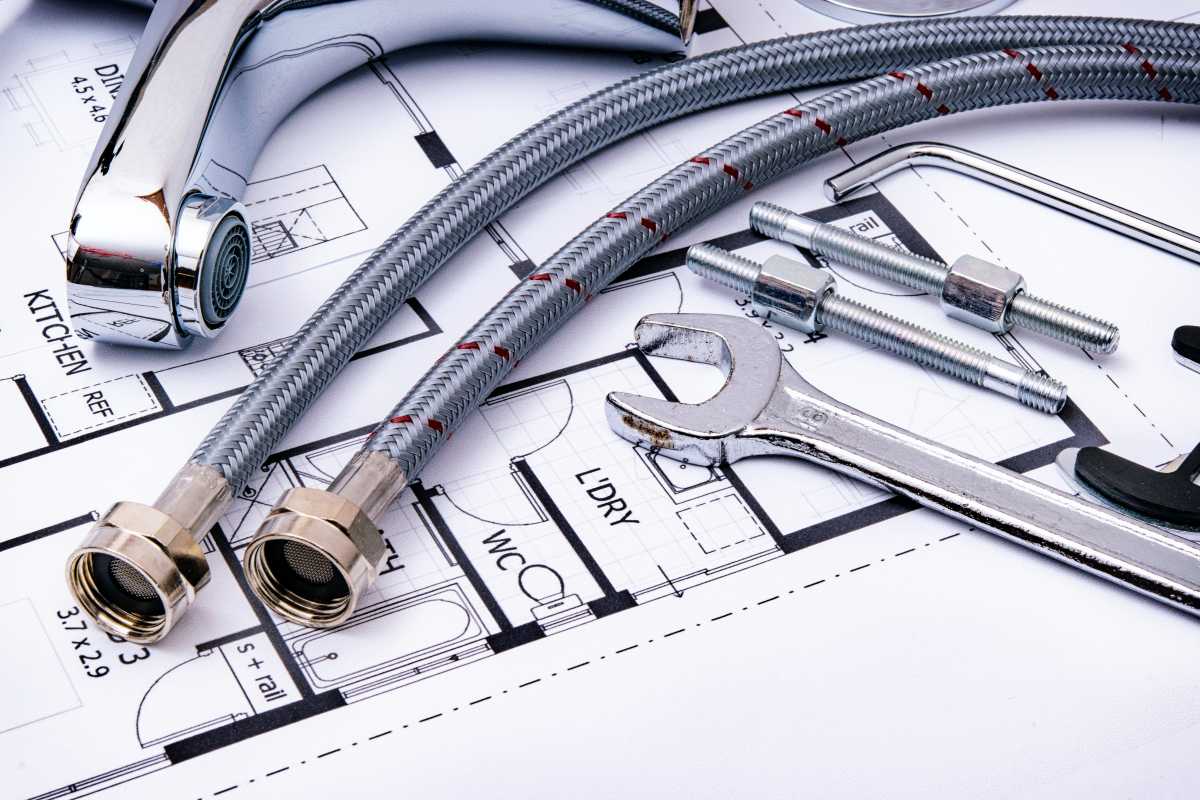
Designing an off-grid water system for your homestead requires careful planning and consideration. Here are some key steps to follow when designing your system:
-
Collect Water: Determine the most efficient way to collect water from your water source. This could be through a rainwater harvesting system, a well, or a spring.
-
Filter Water: Install a water filtration system to remove any contaminants from your water source. This can include sediment filters, activated carbon filters, or reverse osmosis filters.
-
Store Water: Install water storage tanks to hold the water collected from your source. Consider the amount of water you will need to store based on your daily usage and any seasonal changes.
-
Pump Water: Install a pump to move water from your storage tanks to your home or other areas where you need it. Consider using a solar-powered or hand-operated pump to reduce your reliance on electricity.
-
Distribute Water: Install a distribution system to transport water from your storage tanks to where you need it. This can include pipes, hoses, or gravity-fed systems.
-
Reuse Water: Consider installing a graywater system to reuse water from activities like showering or washing dishes. This can help conserve water and reduce your water usage.
-
Plan for Emergencies: Plan for emergency situations by having a backup water supply, such as a well or additional storage tanks.
By designing your off-grid water system carefully, you can ensure that it meets your water needs and is efficient, sustainable, and resilient.
4. Build your system
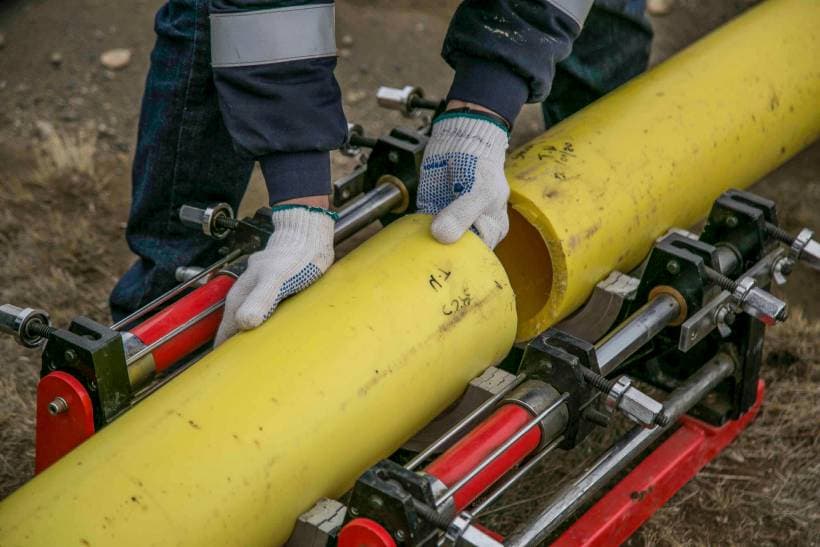
Building an off-grid water system for your homestead can be a challenging but rewarding task. Here are some key steps to follow when building your system:
-
Prepare the Site: Clear the area where you plan to install your water collection and storage components. Make sure the area is level, stable, and free from any obstacles or debris.
-
Install Water Collection Components: Install your water collection components, such as gutters or downspouts, to direct rainwater into your storage tanks. Make sure the components are securely fastened and properly angled to ensure efficient water collection.
-
Install Water Storage Tanks: Install your water storage tanks in a secure and stable location. Make sure they are properly anchored and level to prevent any leaks or damage.
-
Install Water Filtration System: Install your water filtration system to remove any contaminants from your water source. Follow the manufacturer's instructions for proper installation and maintenance.
-
Install Water Pump: Install your water pump to move water from your storage tanks to where you need it. Follow the manufacturer's instructions for proper installation and maintenance.
-
Install Distribution System: Install your distribution system, such as pipes or hoses, to transport water from your storage tanks to where you need it. Make sure the system is properly installed and free from any leaks or blockages.
-
Test the System: Once you have installed all components of your off-grid water system, test the system to ensure it is working properly. Check for leaks, clogs, or other issues that may need to be addressed.
-
Maintain the System: Regularly maintain your off-grid water system to ensure it continues to work properly. This may include cleaning filters, checking for leaks, and replacing components as needed.
By building your off-grid water system carefully and maintaining it regularly, you can ensure that you have a reliable and sustainable source of water for your homestead.
Creating an off-grid water system for your homestead can be a challenging but rewarding task. By following the steps outlined in this guide, you can design and build a water system that meets your specific needs, utilizes sustainable water sources, and reduces your reliance on municipal water supplies. With careful planning, attention to detail, and regular maintenance, you can enjoy a reliable and self-sustaining water supply for your homestead. By taking control of your water supply, you can enjoy the benefits of self-sufficiency and independence that come with living off the grid. We hope this guide has been helpful in your journey towards creating an off-grid water system, and wish you the best of luck in your homesteading endeavors.

