
Are you considering a move off the grid? Whether you're looking to reduce your environmental impact, gain more independence, or simply experience a different way of life, moving off the grid can be an exciting and rewarding adventure. However, it also requires careful planning and consideration. In this blog post, we will explore the ten most important things to consider when moving off the grid. From choosing the right location to building a supportive community, we will cover key areas such as energy, water, waste management, shelter, food, communication, healthcare, skills and knowledge, and community. By focusing on these areas, you can increase your chances of success and enjoy a more sustainable and fulfilling way of life off the grid. So, let's dive in and explore the ten most important things to consider when making the transition to off-grid living.
Moving off the grid can be an exciting adventure, but it's important to consider several factors before making the move. Here are ten things to keep in mind:
- Location
- Energy
- Water
- Waste management
- Shelter
- Food
- Communication
- Health Care
- Skills and Knowledge
- Community
1. Location
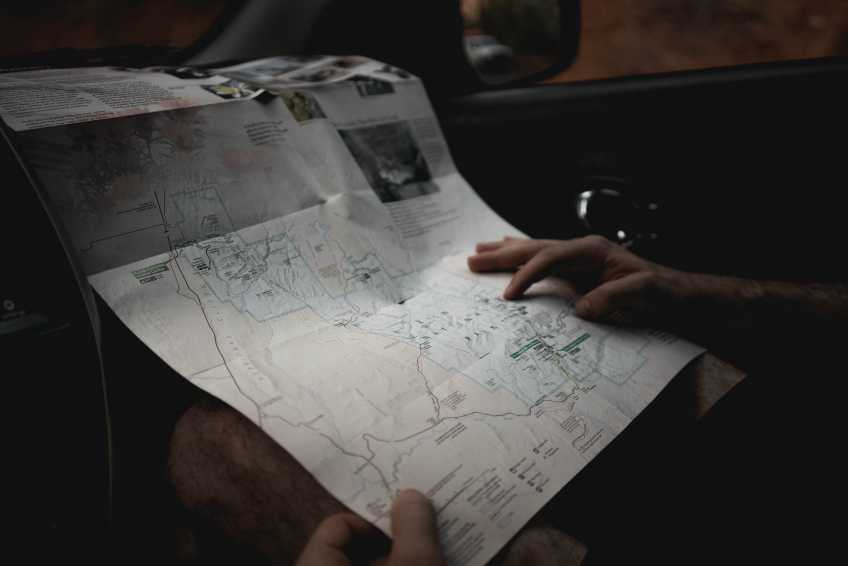
The location is one of the most important considerations when moving off the grid. You will need to choose a location that has ample sunlight for solar power, access to water, and fertile soil for growing food.
-
In terms of sunlight, you will want to choose a location that has clear skies and little shading. The amount of sunlight your location receives will determine how much energy you can generate from solar panels.
-
Access to water is also critical when living off the grid. You will need to have a reliable source of water, whether it be a well, a natural spring, or rainwater collection. You may also need to consider water storage and filtration systems to ensure that your water supply is safe and sufficient.
-
Finally, the quality of soil in your location is important if you plan on growing your own food. You will want to choose a location with fertile soil that is conducive to agriculture. You may also want to consider factors such as climate, precipitation, and temperature when selecting a location for your off-grid home.
Choosing the right location is crucial to the success of your off-grid lifestyle. Take the time to research and evaluate potential locations based on your specific needs and preferences.
Also Check, How to find perfect land for your off grid living
2. Energy
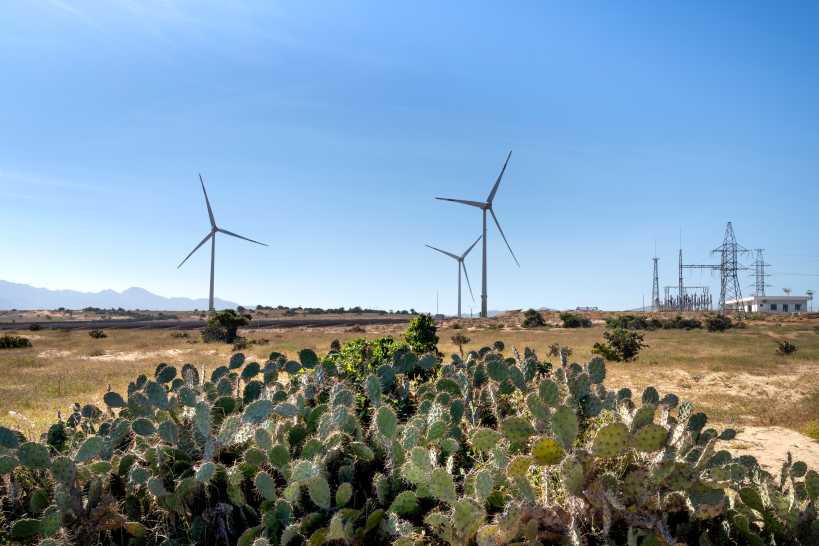
Energy is another critical consideration when moving off the grid. You will need to generate your own electricity using renewable energy sources such as solar, wind, or hydro power.
-
Solar Power is the most common source of energy for off-grid homes. It involves installing solar panels on your property, which capture energy from the sun and convert it into electricity. This electricity is then stored in batteries, which can be used to power your home when the sun is not shining.
-
Wind power is another option for generating electricity off the grid. It involves installing wind turbines on your property to capture wind energy and convert it into electricity. Like solar power, the electricity generated by wind turbines is stored in batteries for later use.
-
Hydro power is a less common source of energy for off-grid homes but can be effective if you live near a reliable source of running water, such as a stream or river. A hydroelectric generator can be installed to harness the power of the water and convert it into electricity.
-
Regardless of which renewable energy source you choose, it's important to size your system correctly to ensure that you have enough energy to meet your needs. This may involve working with an experienced installer to design and install your system.
In addition to generating electricity, you may also want to consider energy efficiency measures to reduce your energy consumption. This could include using energy-efficient appliances, installing insulation to reduce heating and cooling needs, and using LED lighting.
3. Water

Water is an essential resource for off-grid living, and having a reliable source of water is critical to your success. Depending on your location, you may have several options for accessing water:
-
Wells: A well is a hole drilled into the ground that taps into an underground water source. If you have access to a groundwater source, a well can provide a reliable and consistent source of water. However, drilling a well can be expensive and may require permits and approval from local authorities.
-
Natural springs: If you are lucky enough to have a natural spring on your property, it can be an excellent source of water. However, you will need to take steps to protect the spring from contamination and ensure that the water is safe to drink.
-
Rainwater collection: Collecting rainwater can be an excellent way to supplement your water supply. You can collect rainwater from your roof and store it in tanks or cisterns for later use. However, you will need to filter and purify the water to ensure that it is safe for drinking and other uses.
Regardless of how you access your water, it's essential to have a system in place for storing and filtering it. You may need to install a water filtration system to remove impurities and make the water safe for drinking. You should also have a plan for conserving water to ensure that you have enough to meet your needs, especially during dry seasons or periods of drought.
It's also important to consider your wastewater management system. You will need to have a way to dispose of wastewater safely and responsibly. This could involve installing a septic system or using a composting toilet.
4. Waste management
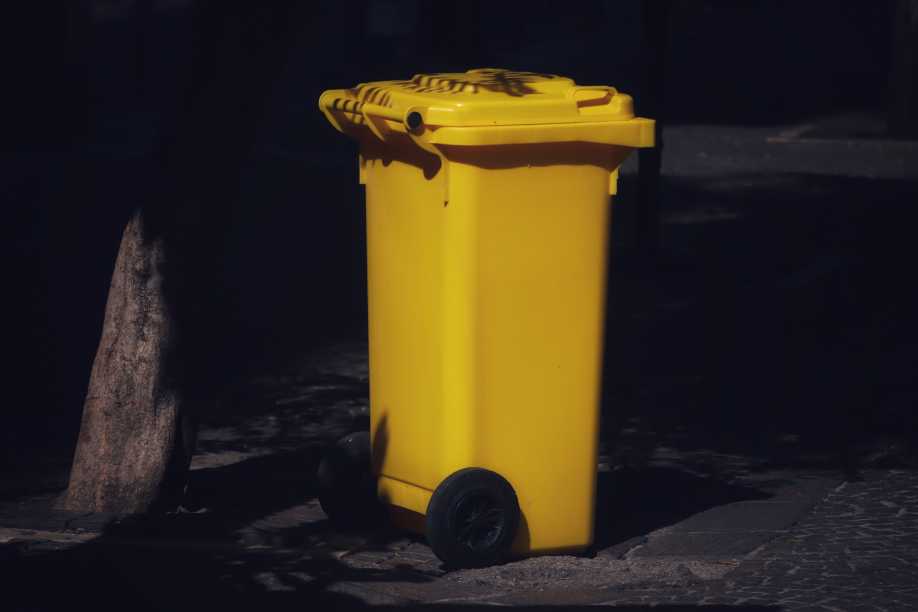
Waste management is an essential consideration for off-grid living. You will need to have a plan in place for disposing of waste in a way that is safe and environmentally responsible. Depending on your location and the resources available, there are several options for waste management:
-
Composting: Composting is the process of breaking down organic waste materials such as food scraps and yard waste into nutrient-rich soil. This can be done using a compost bin or pile, and the resulting compost can be used to fertilize your garden.
-
Recycling: Recycling is a critical component of waste management, even when living off the grid. Depending on your location, you may have access to recycling facilities, or you may need to transport your recyclables to a nearby town or city.
-
Burning: Burning is an option for disposing of non-recyclable waste, such as paper and cardboard. However, it's important to check with your local authorities to ensure that burning is legal in your area, and to take steps to minimize air pollution.
-
Burying: If burning is not an option, burying waste is another possibility. However, it's important to follow best practices for burying waste, such as digging a deep hole, covering the waste with soil, and avoiding burying hazardous materials.
Regardless of which waste management method you choose, it's important to prioritize minimizing waste in the first place. This could involve reducing your consumption of disposable goods, recycling as much as possible, and composting organic waste. With a little planning and effort, you can minimize your environmental impact and live off the grid in a sustainable and responsible way.
5.Shelter
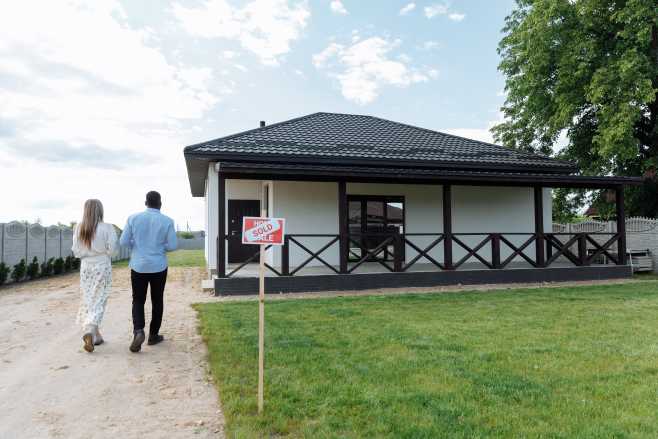
Shelter is another critical consideration when moving off the grid. Depending on your location and climate, you may need to build or modify a shelter that is suited to your needs and can withstand the elements. Here are some factors to consider when choosing a shelter for off-grid living:
-
Location and climate: Your shelter should be suited to the climate and terrain of your off-grid location. For example, if you live in an area with heavy snowfall, your shelter should be designed to withstand the weight of snow on the roof.
-
Size and layout: Your shelter should be appropriately sized to meet your needs, but not so large that it is difficult to heat or cool. The layout of your shelter should be designed to maximize space and efficiency.
-
Building materials: The materials you choose for your shelter will depend on your budget, the availability of resources, and your design preferences. Common materials for off-grid shelters include wood, stone, and earth.
-
Energy efficiency: Your shelter should be designed with energy efficiency in mind. This could involve using insulation to reduce heating and cooling needs, installing energy-efficient windows and doors, and incorporating passive solar design principles.
-
Water and waste management: Your shelter should have a system in place for managing water and waste, including a source of potable water, a wastewater management system, and a plan for composting or disposing of waste.
Your shelter should be designed to meet your specific needs and provide a comfortable and safe living space in your off-grid location. Depending on your resources and expertise, you may need to work with a contractor or architect to design and build your shelter.
Also check Ultimate guide for off grid house6. Food
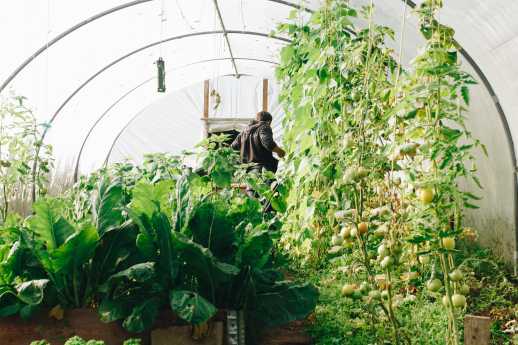
When moving off the grid, food is another critical consideration. Depending on your location, you may have access to hunting, fishing, and foraging opportunities, or you may need to rely on growing your own food. Here are some factors to consider when planning for food in off-grid living:
-
Growing food: If you have access to arable land, you may want to consider growing your own food. This could involve building a greenhouse or garden plot, or using raised garden beds or hydroponic systems. You will need to choose crops that are suited to your climate and soil type, and take steps to protect your crops from pests and disease.
-
Hunting, fishing, and foraging: Depending on your location, you may have access to hunting, fishing, and foraging opportunities. This can be an excellent way to supplement your diet with fresh, wild-caught protein and other nutrients.
-
Food storage: Regardless of how you acquire your food, you will need to have a plan in place for storing it. This could involve using a root cellar, canning or preserving food, or using a solar-powered refrigerator or freezer.
-
Energy needs: Growing and preserving food requires energy, and you will need to consider your energy needs when planning for food in off-grid living. This could involve using solar panels or other renewable energy sources to power your growing and preserving systems.
-
Water needs: Growing food also requires water, and you will need to have a reliable source of water for irrigating your crops. This could involve using rainwater collection systems or digging a well.
Food is a critical consideration in off-grid living, and you will need to have a plan in place for acquiring, storing, and preserving food in a sustainable and efficient way.
7. Communication

Communication is another important consideration when moving off the grid. Depending on your location, you may not have access to traditional forms of communication, such as phone and internet service. Here are some factors to consider when planning for communication in off-grid living:
-
Emergency communication: You will need to have a reliable way to communicate in case of an emergency. This could involve using a satellite phone or radio, which can work in remote areas without traditional phone or internet service.
-
Internet access: If you need internet access for work, education, or other purposes, you will need to consider alternative forms of internet service. This could involve using a satellite internet provider, or setting up a wireless network using point-to-point or mesh networking technology.
-
Power supply: Depending on the type of communication technology you use, you may need to have a reliable source of power. This could involve using solar panels or other renewable energy sources to power your communication devices.
-
Community networks: In some off-grid communities, residents work together to build and maintain communication networks. This could involve setting up a community radio station, or using a shared satellite phone or internet connection.
-
Backup plans: It's important to have backup communication plans in case your primary system fails. This could involve carrying a backup phone or radio, or having a backup power source on hand.
Communication is essential for staying connected with the outside world and accessing information and resources. By planning ahead and considering your communication needs, you can stay connected and safe while living off the grid.
8. Health Care
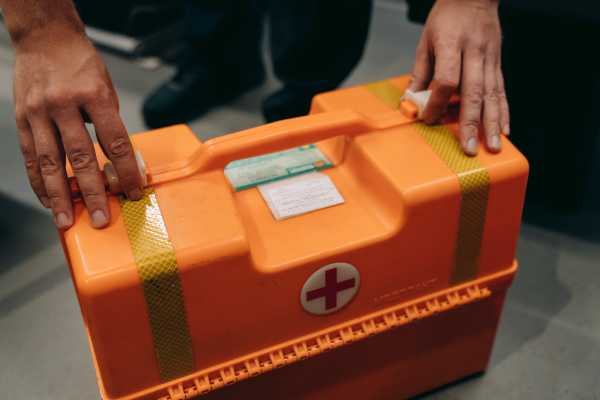
Health care is an important consideration when moving off the grid. Depending on your location and access to medical facilities, you may need to plan for emergency medical care and ongoing healthcare needs. Here are some factors to consider when planning for health care in off-grid living:
-
Emergency medical care: You will need to have a plan in place for emergency medical care, such as a first aid kit and training in basic first aid and CPR. You may also need to have a satellite phone or other means of communicating with emergency medical services.
-
Medical supplies and medications: Depending on your health needs, you may need to stock up on medical supplies and medications. This could include basic first aid supplies, prescription medications, and medical equipment such as oxygen tanks or insulin pumps.
-
Healthcare access: Depending on your location, you may have limited access to medical facilities and healthcare providers. You may need to travel to a nearby town or city for medical care, or rely on telemedicine services to consult with a healthcare provider remotely.
-
Health insurance: You will need to consider your health insurance options when moving off the grid. If you are self-employed, you may need to purchase a private health insurance plan or enroll in a government-sponsored health insurance program.
-
Lifestyle choices: Living off the grid often involves a more active and self-sufficient lifestyle, which can have a positive impact on your health. You may need to adjust your diet and exercise routine to accommodate your new lifestyle, and take steps to reduce stress and promote mental health.
Health care is an important consideration when moving off the grid. By planning ahead and taking steps to stay healthy, you can enjoy a safe and fulfilling life off the grid.
9. Skills and Knowledge
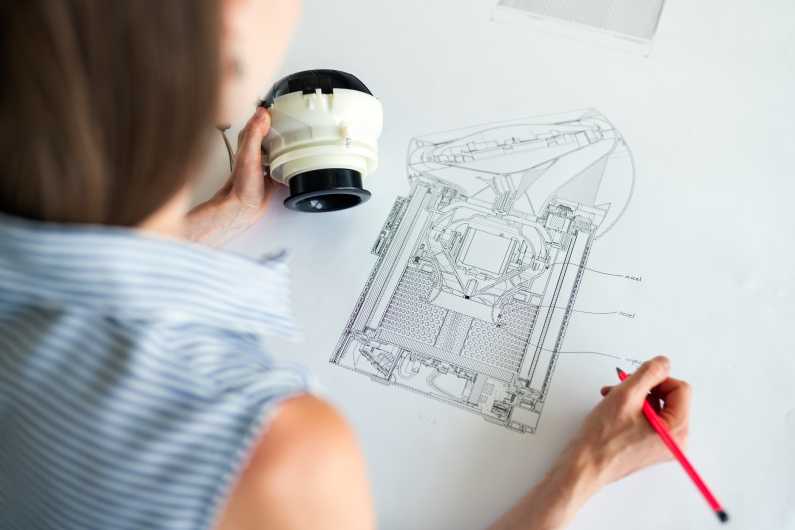
When moving off the grid, having the right skills and knowledge is crucial for success. You will need to be self-sufficient and able to handle a variety of tasks on your own, from building and maintaining your shelter to growing your own food and managing your energy and water systems. Here are some skills and knowledge areas to consider when moving off the grid:
Survival skills: You will need to have a basic understanding of survival skills such as fire-starting, shelter-building, and foraging for food in the wilderness. This will help you to be prepared in case of emergencies and to live off the land.
-
Building and construction skills: You may need to build and maintain your own shelter, and may also need to build infrastructure such as water and energy systems. You will need to have basic building and construction skills, and may also need to learn specialized skills such as plumbing and electrical work.
-
Agriculture and gardening: If you plan to grow your own food, you will need to have knowledge of agriculture and gardening, including soil preparation, planting, and harvesting. You may also need to learn about composting and other sustainable agriculture practices.
-
Energy systems: You will need to understand how to set up and maintain energy systems such as solar panels, wind turbines, or hydroelectric systems. This may require specialized knowledge of electrical engineering or other technical fields.
-
Water systems: You will need to understand how to set up and maintain water systems such as rainwater harvesting or well systems. This may require knowledge of plumbing, hydrology, or other technical fields.
-
Medical skills: In remote areas, you may need to be able to provide basic medical care in case of emergencies. You will need to have basic knowledge of first aid and CPR, and may also need to learn more advanced medical skills.
Moving off the grid requires a wide range of skills and knowledge. By investing in your education and learning new skills, you can increase your chances of success and enjoy a more self-sufficient and fulfilling lifestyle.
10. Community
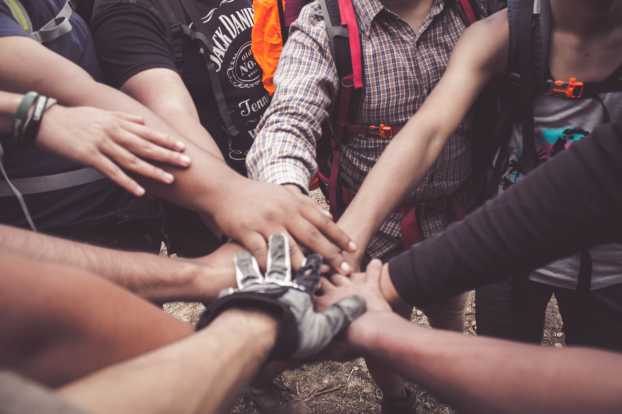
Community is an important consideration when moving off the grid. While living off the grid can provide a sense of independence and self-sufficiency, it can also be isolating without a strong support network. Here are some factors to consider when thinking about community when moving off the grid:
-
Support network: You will need to have a support network in place, whether that is friends and family who live nearby or a community of like-minded individuals who share your values and interests.
-
Access to resources: Living off the grid often requires access to resources such as food, water, and energy. You may need to rely on your community for help with these resources, whether that is sharing a communal garden or pooling resources for energy or water systems.
-
Social opportunities: Living off the grid can be isolating, so it is important to have social opportunities and connections. This could include participating in community events or gatherings, joining local clubs or groups, or volunteering in the community.
-
Shared values: Finding a community that shares your values and beliefs can be important for creating a sense of belonging and connection. This could include shared environmental or sustainability goals, a focus on self-sufficiency and independence, or other common interests.
-
Conflict resolution: Living in close proximity to others can sometimes lead to conflicts or disagreements. It is important to have a plan in place for conflict resolution, whether that is through mediation, community meetings, or other strategies.
Community is an important consideration when moving off the grid. By building a strong support network and finding a community that shares your values and interests, you can enjoy the benefits of self-sufficiency while still staying connected to others.
In conclusion, moving off the grid can be an exciting and rewarding experience, but it requires careful planning and consideration. From choosing the right location to building a supportive community, there are many factors to consider when making the transition to off-grid living. By focusing on key areas such as energy, water, waste management, shelter, food, communication, healthcare, skills and knowledge, and community, you can increase your chances of success and enjoy a fulfilling and self-sufficient lifestyle. While it may require hard work and dedication, the rewards of living off the grid can be significant, from reducing your environmental impact to gaining a greater sense of independence and freedom. With the right preparation and mindset, anyone can make the transition to off-grid living and enjoy the benefits of a more sustainable and fulfilling way of life.

