
Homesteading off the grid can be a fulfilling and sustainable lifestyle choice. However, it requires careful planning and preparation to ensure that you have the necessary tools and equipment to live comfortably and self-sufficiently. Whether you're new to homesteading or a seasoned off-grid dweller, having the right tools and equipment is essential for success. In this blog post, we'll discuss the top 10 tools and equipment you need while homesteading off the grid. From solar panels and generators to composting toilets and kitchen supplies, we'll cover everything you need to know to live comfortably and sustainably off the grid. So, let's dive in and explore the essential tools and equipment for homesteading off the grid. Here are Top 10 essential tools and equipment you'll need while homesteading off the grid:
- Solar Panels
- Generator
- Water Pump
- Chainsaw
- Hand tools
- Livestock Supplies
- Garden Supplies
- Water Filtration System
- Composting Toilet
- Kitchen Supplies
1. Solar Panels
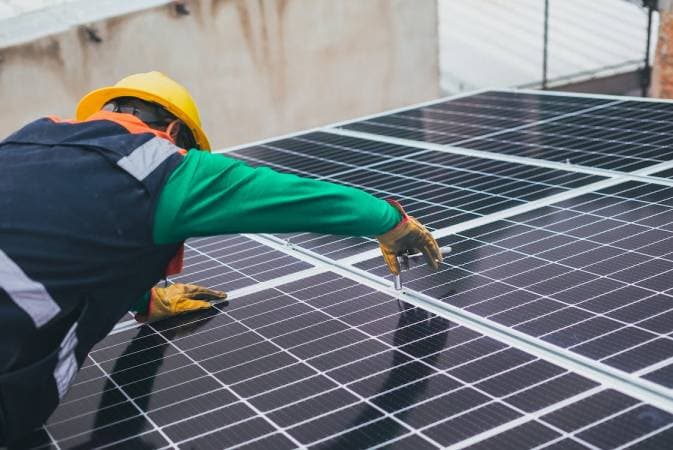
Solar panels are an essential component for generating electricity on your homestead. They work by harnessing the energy from the sun and converting it into electricity that can power your home. When selecting solar panels, there are several factors to consider.
Firstly, you need to consider the amount of power you need. This will depend on the size of your home, the number of appliances and devices you have, and your overall energy consumption. A professional installer can help you calculate your energy needs and design a system that meets those needs.
Next, you need to choose the right type of solar panels. There are several different types, including monocrystalline, polycrystalline, thin-film, and bifacial. Each type has its own advantages and disadvantages, and your choice will depend on your specific needs and budget.
You also need to consider the size and efficiency of the solar panels. The efficiency of a solar panel refers to how much energy it can produce from a given amount of sunlight. Higher efficiency panels are more expensive but can produce more energy in a smaller space.
You'll need to choose the right batteries to store the energy generated by your solar panels. Batteries come in different sizes and types, and you'll need to choose one that can store enough energy to power your home when the sun isn't shining.
Solar panels are a critical component of any off-grid homestead, and careful consideration should be given when selecting the right panels for your specific needs.
2.Generator
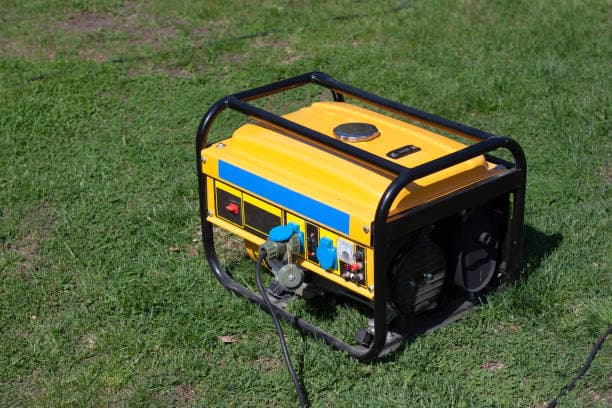
While solar panels are a great way to generate electricity, they have some limitations. For example, they rely on the sun to generate power, so they may not produce enough energy on cloudy days or during the winter months. That's where backup generators come in.
A backup generator is a device that can provide power to your home when your solar panels are not generating enough energy. They are particularly useful for homesteads in areas with high energy demand or those that experience frequent power outages.
When selecting a backup generator, there are several factors to consider. First, you need to determine the size of the generator you need. This will depend on the size of your home, the number of appliances you have, and the amount of power you need.
Next, you need to choose the right type of fuel for your generator. Common options include propane, natural gas, and diesel. Your choice will depend on your specific needs and the availability of fuel in your area.
You also need to consider the noise level of the generator. Generators can be noisy, so it's important to choose a model that is relatively quiet, particularly if you live in a densely populated area.
Finally, you'll need to choose a generator that is compatible with your solar panels. This will ensure that your generator can work in conjunction with your solar panels to provide power to your home when it's needed.
3. Water Pump
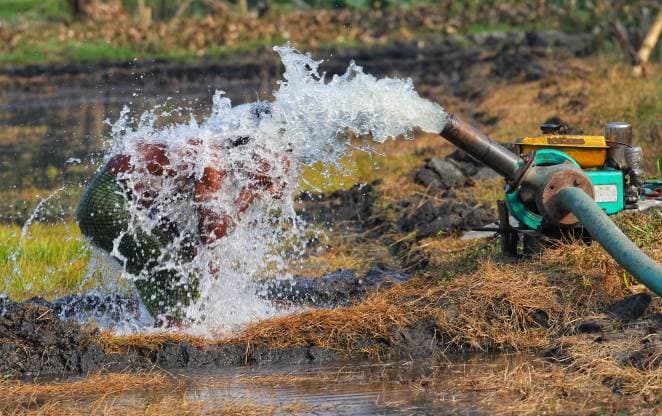
Water pumps are an essential component for any off-grid homestead, as they provide a reliable source of water for drinking, cooking, and cleaning. When selecting a water pump, there are several factors to consider.
First, you need to determine the water needs of your homestead. This will depend on the number of people in your household, the number of livestock you have, and your overall water usage. A professional installer can help you calculate your water needs and design a system that meets those needs.
Next, you need to choose the right type of water pump. There are several different types, including submersible, surface, and hand pumps. Each type has its own advantages and disadvantages, and your choice will depend on your specific needs and budget.
You also need to consider the size and power of the water pump. The size of the pump will depend on the depth of your well or water source, and the power of the pump will depend on the flow rate and pressure you require.
Finally, you'll need to choose a water pump that is compatible with your solar panels or generator. This will ensure that your water pump can work in conjunction with your power source to provide a reliable source of water.
4. Chainsaw
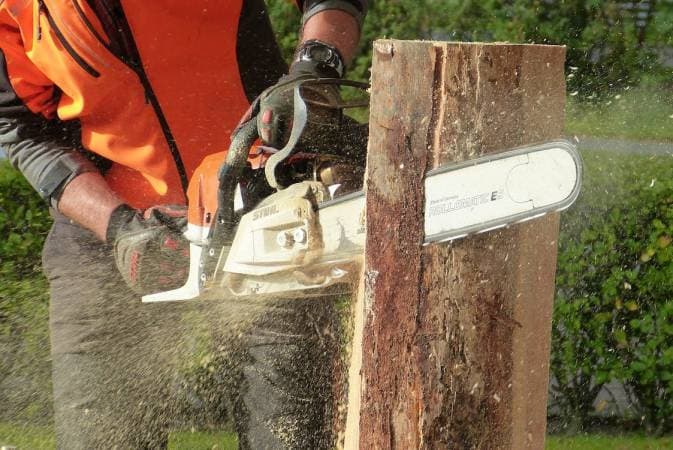
Chainsaws are an essential tool for any homestead, as they can be used for a variety of tasks such as cutting firewood, clearing trees, and building structures. When selecting a chainsaw, there are several factors to consider.
First, you need to determine the size of the chainsaw you need. This will depend on the size of the trees you'll be cutting and the amount of work you'll be doing. Chainsaws come in a range of sizes, from small, handheld models to large, professional-grade saws.
Next, you need to consider the type of fuel the chainsaw uses. Common options include gas and electric. Gas-powered chainsaws are typically more powerful but require more maintenance, while electric chainsaws are quieter and easier to maintain but may not be as powerful.
You also need to consider the safety features of the chainsaw. Look for models that have safety features such as anti-vibration technology, chain brakes, and automatic oilers.
Finally, you'll need to choose a chainsaw that is durable and easy to maintain. Look for models that are made from high-quality materials and have a solid reputation for reliability.
5. Hand Tools
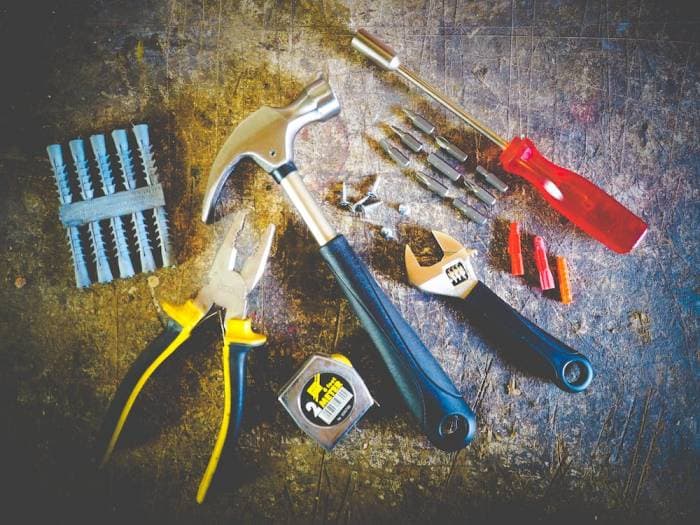
Hand tools are an essential component for any off-grid homestead, as they can be used for a variety of tasks such as gardening, woodworking, and repairs. When selecting hand tools, there are several factors to consider.
First, you need to determine the tools you need based on the tasks you'll be doing. Common hand tools include hammers, screwdrivers, wrenches, pliers, saws, and chisels. You'll also need gardening tools such as shovels, rakes, and hoes if you plan on growing your own food.
Next, you need to choose tools that are durable and made from high-quality materials. Look for tools that are made from materials such as steel, aluminum, and wood, as these materials are durable and can withstand heavy use.
You also need to consider the ergonomics of the tools. Look for tools that have comfortable grips and are easy to hold, as this will reduce hand fatigue and make it easier to work for longer periods.
Finally, you'll need to maintain your hand tools properly to ensure they last for many years. Keep them clean and dry after each use, and store them in a dry, secure location when not in use.
6. Livestock Supplies
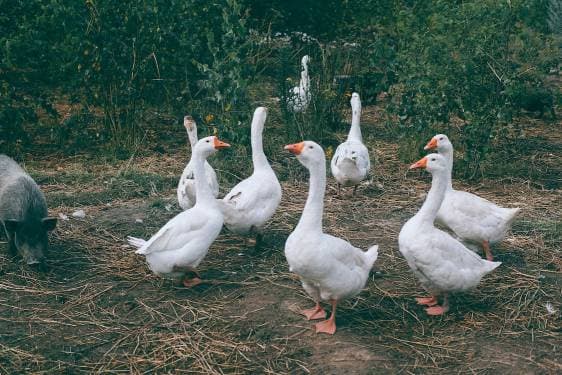
If you plan on raising livestock on your off-grid homestead, you'll need a variety of supplies to ensure their health and well-being. When selecting livestock supplies, there are several factors to consider.
First, you need to determine the type and number of animals you plan to raise. This will help you determine the specific supplies you need. For example, if you plan on raising chickens, you'll need supplies such as a coop, feeders, waterers, and nesting boxes. If you plan on raising larger animals such as cows or horses, you'll need supplies such as fencing, feeders, waterers, and shelter.
Next, you need to choose supplies that are made from high-quality materials and are durable. Look for supplies that are designed specifically for the type of animal you plan to raise, as this will ensure that they are effective and safe.
You also need to consider the cost of the supplies, as some items can be quite expensive. Consider buying supplies in bulk or purchasing used equipment to save money.
Finally, you'll need to make sure that you have a system in place for storing and dispensing food and water for your animals. This can include automatic waterers, feeders, and storage containers.
7. Garden Supplies
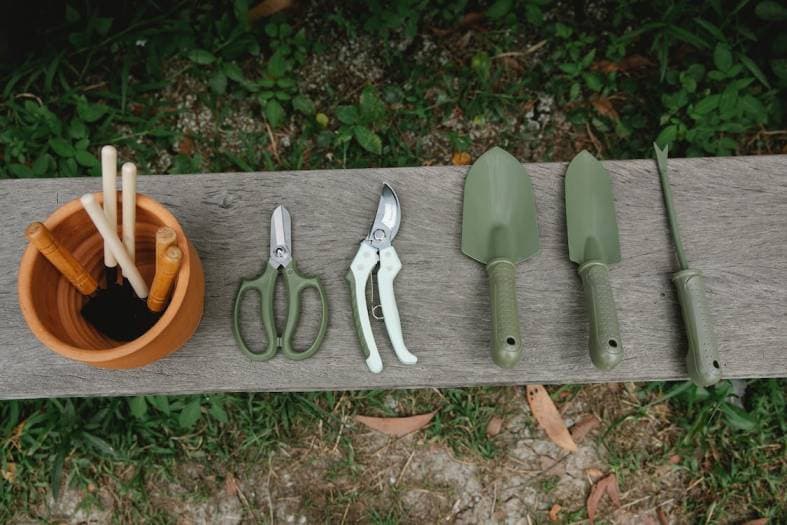
If you plan on growing your own food on your off-grid homestead, you'll need a variety of supplies to ensure the success of your garden. When selecting garden supplies, there are several factors to consider.
First, you need to determine the type of garden you want to have. This will help you determine the specific supplies you need. For example, if you plan on having a vegetable garden, you'll need supplies such as seedlings, seeds, soil, fertilizer, and tools like shovels and hoes. If you plan on having a flower garden, you'll need supplies such as bulbs, seeds, soil, fertilizer, and tools like pruners and trowels.
Next, you need to choose supplies that are made from high-quality materials and are durable. Look for supplies that are designed specifically for the type of garden you plan to have, as this will ensure that they are effective and safe.
You also need to consider the cost of the supplies, as some items can be quite expensive. Consider buying supplies in bulk or purchasing used equipment to save money.
Finally, you'll need to make sure that you have a system in place for watering and tending to your garden. This can include irrigation systems, hoses, watering cans, and tools like gloves and knee pads.
8. Water Filtration System
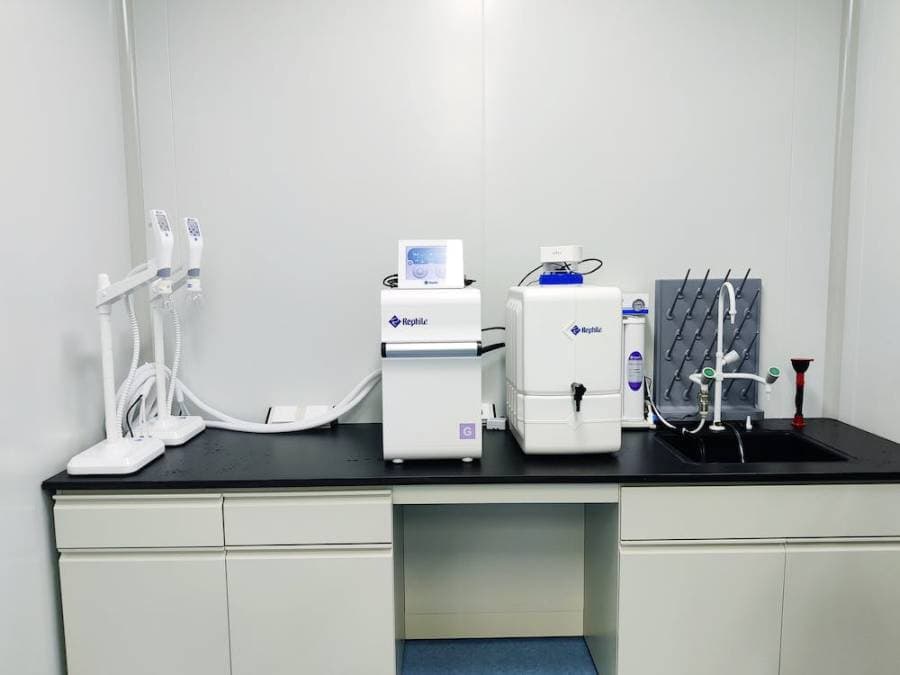
Access to clean, safe drinking water is essential for any off-grid homestead, and a water filtration system is a necessary tool to ensure that your water is safe to drink. When selecting a water filtration system, there are several factors to consider.
First, you need to determine the type of water source you have. Depending on whether you have a well, stream, or rainwater collection system, you'll need a different type of water filtration system. For example, if you have a well, you'll need a filtration system that can remove sediment, bacteria, and other contaminants that may be present in the water. If you're collecting rainwater, you'll need a filtration system that can remove debris and other particles that may be present in the water.
Next, you need to choose a water filtration system that is designed for your specific needs. There are several types of water filtration systems available, including activated carbon filters, reverse osmosis systems, and UV water purifiers. Each system has its pros and cons, so it's important to choose the system that best suits your needs.
You also need to consider the cost of the system, as some systems can be quite expensive. However, investing in a high-quality water filtration system is essential to ensure that you have access to safe, clean drinking water.
you'll need to maintain your water filtration system properly to ensure that it continues to function effectively. This may include replacing filters, cleaning the system regularly, and monitoring the quality of your water.
9. Composting Toilet
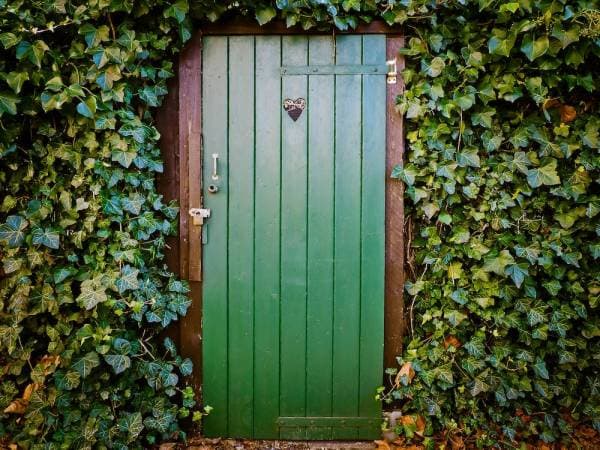
A composting toilet is a type of toilet that uses the natural process of decomposition to break down human waste into a nutrient-rich compost material that can be used in gardening or landscaping. When selecting a composting toilet, there are several factors to consider.
First, you need to determine the type of composting toilet that best suits your needs. There are several types of composting toilets available, including self-contained units, split systems, and continuous systems. Each system has its pros and cons, so it's important to choose the system that best suits your needs.
Next, you need to consider the cost of the composting toilet. While some systems can be quite expensive, they can save you money in the long run by reducing the need for water and electricity, as well as providing a source of compost for your garden.
You also need to consider the maintenance and upkeep of the composting toilet. While composting toilets are low-maintenance compared to traditional toilets, they do require regular maintenance, including emptying the compost bin, cleaning the toilet, and ensuring that the system is functioning properly.
Finally, you'll need to consider the size and location of the composting toilet. Depending on the size of your homestead and the number of people using the toilet, you may need a larger or smaller system. You'll also need to consider the location of the toilet, as it should be placed in an area that is easily accessible and allows for proper ventilation.
A composting toilet is a sustainable and eco-friendly alternative to traditional toilets that can help reduce your environmental impact and provide a source of compost for your garden. With careful consideration and proper maintenance, a composting toilet can be a valuable addition to any off-grid homestead.
10. Kitchen Supplies
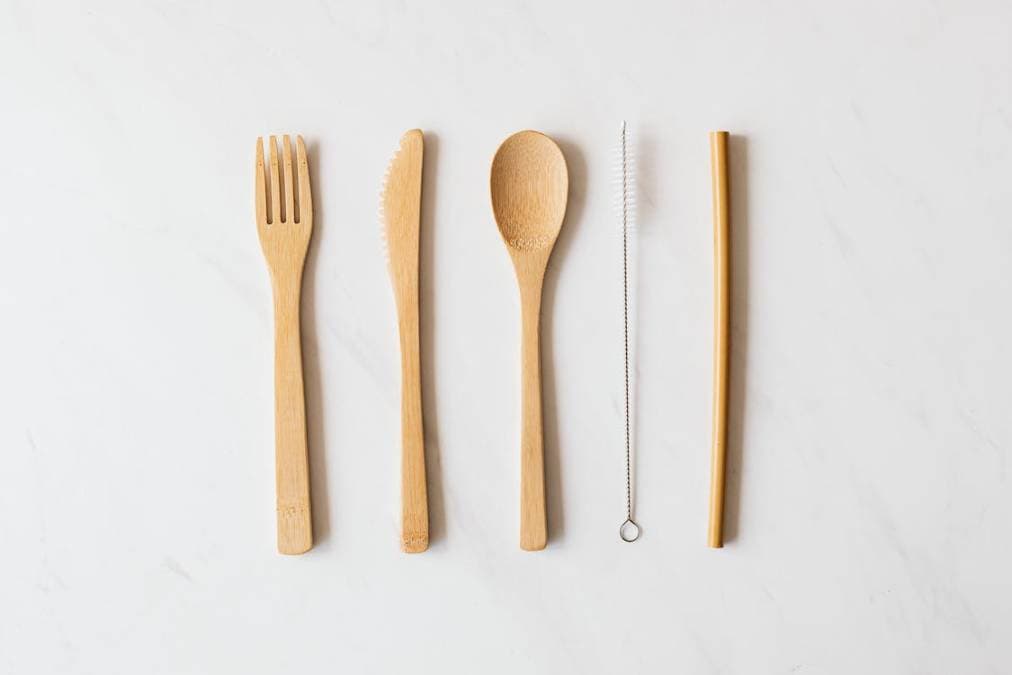
When homesteading off the grid, it's important to have the right kitchen supplies to ensure that you can prepare and cook food efficiently and safely. Here are some essential kitchen supplies to consider:
Cooking Utensils: You'll need a variety of cooking utensils, such as pots and pans, spatulas, spoons, and tongs, to prepare and cook food. Consider purchasing high-quality, durable utensils that can withstand frequent use.
Food Storage Containers: You'll need food storage containers to store perishable and non-perishable foods, such as grains, beans, and spices. Consider purchasing airtight containers that can keep food fresh and protect it from pests.
Knives and Cutting Boards: You'll need a good set of knives and cutting boards to chop, slice, and dice food. Consider purchasing high-quality, sharp knives that can make food preparation easier and safer.
Food Processor or Blender: A food processor or blender can be a useful tool for making sauces, soups, and other dishes. Consider purchasing a high-quality, durable appliance that can handle tough ingredients and frequent use.
Water Filtration System: Access to clean, safe water is essential for cooking and drinking. Consider installing a water filtration system in your kitchen to ensure that your water is safe and free from contaminants.
Dishware and Utensils: You'll need dishware and utensils to serve and eat food. Consider purchasing durable, reusable items that can withstand frequent use and be easily cleaned.
Kitchen Tools: You'll need a variety of kitchen tools, such as measuring cups and spoons, can openers, and mixing bowls, to prepare and cook food. Consider purchasing high-quality, durable tools that can make food preparation easier and more efficient.
Homesteading off the grid can be a challenging but rewarding lifestyle choice. By having the right tools and equipment, you can live comfortably and sustainably, without relying on external resources. From solar panels and generators to water pumps and garden supplies, there are a variety of tools and equipment that can help you thrive in your off-grid homesteading journey. By investing in high-quality, durable tools and equipment, you can ensure that you have everything you need to live comfortably and self-sufficiently. With careful planning and preparation, homesteading off the grid can be an enjoyable and fulfilling lifestyle choice that allows you to live in harmony with nature and enjoy a simpler, more sustainable way of life.

