
Retirement is a time when many people look forward to living a peaceful and fulfilling life, free from the daily grind of work. However, choosing the right retirement home can be a daunting task. For those seeking a simpler and more sustainable lifestyle, a homestead retirement home may be the perfect option. Homesteading is a lifestyle that emphasizes self-sufficiency, sustainability, and community. In this blog post, we will explore why you must consider a homestead retirement home. We will discuss the benefits of self-sufficiency, cost savings, environmental benefits, and community, and how homesteading can provide a fulfilling retirement lifestyle that promotes personal satisfaction and a positive impact on the environment and the community. Whether you are a retiree looking to simplify your life, reduce your expenses, or have a positive impact on the environment, homesteading may be the perfect retirement option for you.
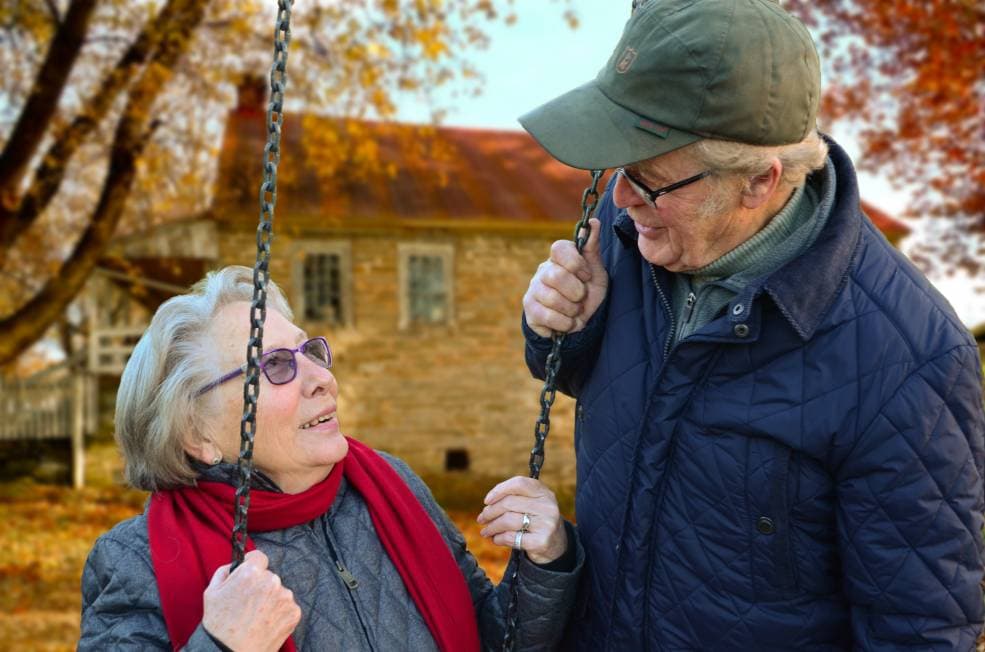
Here are some reasons why you should consider a homestead retirement home.
- Self-sufficiency
- Health Benefits
- Cost Savings
- Environmental Benefits
- Community
1. Self-sufficiency
Self-sufficiency is a key aspect of homesteading and a major reason why many retirees are choosing to live in homestead retirement homes. Self-sufficiency means being able to meet one's own needs without relying on outside sources. In the context of a homestead retirement home, this can include growing one's own food, raising animals for meat and dairy products, and generating one's own energy through renewable sources like solar or wind power.
By being self-sufficient, retirees can reduce their dependence on outside sources, which can provide a sense of security and control over their living situation. They can also save money on groceries and utility bills, as well as potentially generating income through selling surplus produce or products.
However, achieving self-sufficiency on a homestead requires a significant amount of planning, effort, and ongoing work. Homesteaders need to have a solid understanding of agriculture, animal husbandry, and renewable energy systems, as well as the ability to maintain and repair their equipment and infrastructure.
Despite the challenges, many retirees find that the rewards of self-sufficiency on a homestead are well worth the effort. It can provide a sense of satisfaction and fulfillment to be able to provide for oneself and live in harmony with nature, which can lead to a healthier and happier retirement lifestyle.
2. Cost Savings
Homesteading can also be a cost-effective retirement option for those who choose to live in homestead retirement homes. By producing their own food and generating their own energy, homesteaders can significantly reduce their monthly expenses.
One of the most significant expenses for many retirees is food. By growing their own fruits and vegetables, raising their own livestock for meat, eggs, and dairy products, homesteaders can significantly reduce their grocery bills. Additionally, they can ensure that the food they eat is fresh, organic, and free from harmful chemicals.
Homesteaders can also generate their own energy through renewable sources like solar panels, wind turbines, or hydroelectric systems. By doing so, they can reduce their reliance on the grid and potentially eliminate their monthly utility bills. While there is a significant upfront cost to installing these systems, the long-term savings can be significant.
Furthermore, homesteads can be a source of income through selling surplus produce, eggs, or other products. By selling excess produce at local farmers' markets or through community-supported agriculture programs, homesteaders can earn money while sharing the benefits of their self-sufficient lifestyle with others.
Homesteading can be a cost-effective retirement option for those willing to put in the effort and dedication required to be self-sufficient. By producing their own food, generating their own energy, and potentially generating income through selling surplus products, homesteaders can significantly reduce their monthly expenses and potentially live a more fulfilling and sustainable retirement lifestyle.
3.Environmental Benefits
Homesteading provides significant environmental benefits and is an environmentally friendly retirement option. Homesteaders can reduce their carbon footprint and have a positive impact on the environment in a number of ways.
One of the primary environmental benefits of homesteading is that it promotes sustainable living. Homesteaders strive to reduce waste, use renewable energy sources, and practice conservation techniques in order to minimize their impact on the environment. By living sustainably, homesteaders can help reduce the overall demand for resources and energy.
Homesteading can also help to reduce greenhouse gas emissions. By generating their own energy through renewable sources like solar panels or wind turbines, homesteaders can reduce their reliance on fossil fuels and help to reduce the amount of greenhouse gases released into the atmosphere. Additionally, homesteaders can reduce transportation-related emissions by growing their own food and reducing their reliance on shipping and transportation.
Furthermore, homesteaders can help to promote biodiversity and protect natural ecosystems. By practicing sustainable agriculture and conservation techniques, homesteaders can help to protect local wildlife and maintain healthy ecosystems. Additionally, homesteaders can create habitats for pollinators and other beneficial insects, which can help to promote biodiversity and support the overall health of the environment.
Homesteading provides significant environmental benefits and can be an environmentally friendly retirement option. Homesteaders can reduce their carbon footprint, promote sustainability, and protect natural ecosystems by using renewable energy sources, practicing sustainable agriculture, and reducing their reliance on transportation and shipping. By doing so, homesteaders can help to create a more sustainable and healthier environment for themselves and future generations.
4.Community
Homesteading can also provide a sense of community and social support for retirees who choose to live in homestead retirement homes. Homesteaders often share a sense of camaraderie and a passion for self-sufficiency and sustainable living, which can create a strong sense of community.
Homesteaders can work together to share knowledge, skills, and resources, which can be particularly beneficial for those who are new to homesteading or may need assistance with certain tasks. Additionally, homesteading can provide opportunities for social interaction and shared activities, such as gardening, animal care, and food preservation.
Homesteading can also provide opportunities for retirees to connect with their local community. Homesteaders can sell their surplus produce at local farmers' markets or participate in community-supported agriculture programs, which can help to strengthen ties with their neighbors and promote a sense of local community. Additionally, homesteaders can participate in community events or volunteer in local conservation or sustainability initiatives, which can provide opportunities for social engagement and meaningful contributions to the community.
Homesteading can provide a sense of community and social support for retirees who choose to live in homestead retirement homes. Homesteaders can share knowledge, skills, and resources, work together on common goals, and connect with their local community. By doing so, homesteaders can create a fulfilling and meaningful retirement lifestyle that provides both personal satisfaction and a positive impact on the community.
In conclusion, a homestead retirement home can provide retirees with a simpler and more sustainable lifestyle that promotes self-sufficiency, cost savings, environmental benefits, and community. By living sustainably, homesteaders can reduce their carbon footprint, minimize their impact on the environment, and promote biodiversity. Additionally, homesteading provides opportunities for social interaction, shared activities, and meaningful contributions to the local community. Homesteading may not be for everyone, but for those seeking a fulfilling retirement lifestyle that emphasizes personal satisfaction and a positive impact on the environment and the community, it is definitely worth considering. So, if you are looking for a simpler, more sustainable, and more fulfilling retirement lifestyle, a homestead retirement home may be the perfect option for you.

