Living off the grid comes with its own set of challenges and rewards. One of the most important things to consider while living off the grid is an off-grid septic system. Proper disposal of human waste is not only essential for maintaining hygiene but also for protecting the environment. In this post, we will discuss why an off-grid septic system is important and what you need to consider while building one.
An off-grid septic system is a self-contained system that does not require connection to a municipal sewer line. Instead, it uses natural processes to break down and treat human waste. This system consists of a septic tank and a drain field. The septic tank is where the wastewater from your home goes. The solids settle to the bottom and are broken down by bacteria, while the liquid flows out to the drain field where it is absorbed into the soil.
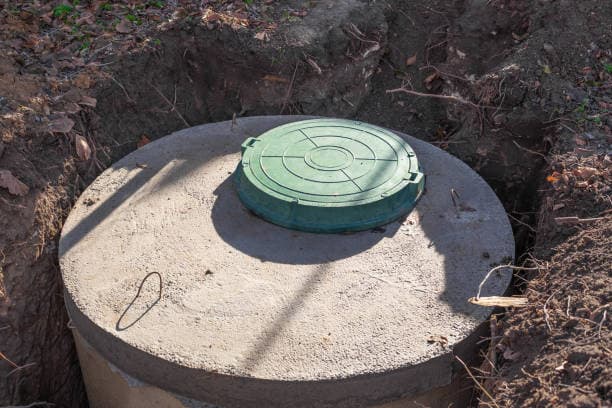
Here are some reasons why an off-grid septic system is important:
1. Protects the environment
An off-grid septic system is important for protecting the environment for several reasons. First and foremost, the system ensures that human waste is properly contained and treated, preventing it from contaminating the soil, groundwater, and surface water. Improper disposal of human waste can lead to the spread of dangerous bacteria, viruses, and parasites, which can cause serious health problems for both humans and wildlife.
In addition, an off-grid septic system helps to prevent nutrient pollution. Nutrients such as nitrogen and phosphorus, which are found in human waste, can be harmful to aquatic ecosystems if they are not properly treated. When these nutrients are released into waterways, they can cause excessive growth of algae and other aquatic plants, which can reduce oxygen levels and harm fish and other wildlife.
Furthermore, an off-grid septic system can help to prevent soil pollution. When human waste is not properly treated, it can seep into the soil, contaminating it with harmful bacteria and other pathogens. This can make the soil unsafe for planting crops or other vegetation.
An off-grid septic system is an important tool for protecting the environment and preventing pollution. By properly containing and treating human waste, the system helps to ensure that the surrounding ecosystem remains healthy and free from contamination.
2. Promotes hygiene
An off-grid septic system is also essential for promoting good hygiene. Human waste can contain harmful bacteria and pathogens that can cause illness and disease if not properly disposed of. Without a proper waste management system, waste can build up and spread, creating an unsanitary and unhealthy living environment.
With an off-grid septic system, human waste is safely contained and treated, preventing the spread of harmful bacteria and pathogens. The septic tank is designed to break down solid waste and separate it from the liquid waste, which is then filtered through the drain field and absorbed by the soil. This process eliminates the risk of waste spreading and causing disease.
Proper waste management also helps to prevent the buildup of unpleasant odors and insect infestations. When human waste is left untreated, it can emit foul odors that can make the living environment uncomfortable and unsanitary. Additionally, untreated waste can attract insects and other pests, which can further spread disease and create an unsanitary living environment.
In addition to protecting the health of individuals living off the grid, an off-grid septic system also promotes community health. By properly disposing of human waste, the system helps to prevent the spread of disease and maintain a clean and healthy living environment for all community members.
An off-grid septic system is essential for promoting good hygiene and preventing the spread of disease. By properly managing human waste, the system ensures a clean and sanitary living environment for individuals and communities living off the grid.
3. Compliance with regulations
Compliance with regulations is another important reason why an off-grid septic system is necessary. Depending on where you live, there may be regulations in place that require proper waste management, including the use of a septic system. These regulations are in place to protect public health and the environment, and failing to comply with them can result in fines or other penalties.
In addition to local regulations, there may be state or federal regulations that apply to off-grid septic systems. For example, the Environmental Protection Agency (EPA) has guidelines for the design and installation of septic systems to ensure that they are safe and effective.
By building and maintaining an off-grid septic system, you can ensure that you are in compliance with all relevant regulations. This not only helps to avoid fines and penalties, but also ensures that you are doing your part to protect public health and the environment.
Furthermore, complying with regulations can also provide peace of mind. Knowing that your septic system is in compliance with all relevant regulations can give you confidence that it is safe and effective, and that you are doing your part to protect your health and the environment.
Compliance with regulations is an important reason why an off-grid septic system is necessary. By building and maintaining a septic system that complies with all relevant regulations, you can ensure that you are doing your part to protect public health and the environment, while avoiding fines and other penalties.
Now that we have discussed why an off-grid septic system is important, let's look at what you need to consider while building one:
1. Soil quality
An off-grid septic system can have a significant impact on soil quality. When human waste is not properly managed, it can contain harmful bacteria, viruses, and other pathogens that can contaminate the soil. This contamination can harm plants and other vegetation, making it difficult or impossible to grow crops or maintain a healthy ecosystem.
However, when an off-grid septic system is properly designed and installed, it can actually improve soil quality. The liquid waste that is released into the drain field is treated by the soil, which acts as a natural filter. The soil helps to remove harmful bacteria and pathogens from the liquid waste, making it safe to be absorbed into the ground.
Furthermore, the nutrients in the liquid waste can actually be beneficial to plants and other vegetation. Nitrogen and phosphorus, which are found in human waste, are important nutrients that plants need to grow. By properly treating and releasing liquid waste into the soil, an off-grid septic system can help to fertilize and nourish the surrounding vegetation.
Properly designed septic systems also help to prevent soil compaction. When waste is not properly contained and managed, heavy equipment may be needed to remove and transport it. This equipment can compact the soil, making it difficult for plants to grow and reducing soil quality. However, when an off-grid septic system is properly designed and installed, it eliminates the need for heavy equipment, helping to maintain soil structure and quality.
An off-grid septic system is essential for maintaining soil quality. By properly managing human waste, the system can help to improve soil fertility and structure, while preventing contamination from harmful pathogens. Properly designed and installed septic systems can also eliminate the need for heavy equipment, further promoting healthy soil ecosystems.
2. Tank size
The size of the tank is an important factor in the design and installation of an off-grid septic system. The tank is the primary component of the system, responsible for collecting and storing the solid and liquid waste produced by the occupants of the property. The size of the tank must be carefully considered to ensure that it can handle the amount of waste produced, while also allowing for proper treatment and disposal.
The size of the tank is generally determined by the number of occupants of the property, as well as their average daily water usage. In general, the larger the tank, the more waste it can hold, and the longer it can go between emptying. However, tanks that are too large can also cause problems, such as reduced treatment efficiency and increased risk of clogging or overflow.
It is important to select a tank size that is appropriate for the needs of the property. A tank that is too small may need to be emptied more frequently, which can be inconvenient and costly. On the other hand, a tank that is too large may require more land for installation and may be more expensive to install and maintain.
In addition to the size of the tank, it is also important to consider the design and construction of the tank. The tank should be made of durable materials that can withstand the weight of the waste, and should be properly sealed to prevent leaks or seepage. The inlet and outlet pipes should also be properly sized and positioned to allow for proper flow and treatment.
The size of the tank is an important consideration in the design and installation of an off-grid septic system. A properly sized tank can help to ensure efficient treatment and disposal of waste, while also minimizing the need for maintenance and emptying. Careful consideration of tank size, along with other design and construction factors, can help to ensure a safe, effective, and sustainable septic system for off-grid living.
3. Maintenance
Maintenance is a critical aspect of an off-grid septic system. Proper maintenance ensures that the system continues to function effectively and safely, and can help to prevent costly repairs or replacement in the future. Some important considerations for maintaining an off-grid septic system include:
Regular pumping: Over time, solid waste can accumulate in the tank and reduce its effective capacity. To prevent this, it is important to have the tank pumped on a regular basis. The frequency of pumping depends on the size of the tank and the number of occupants in the property. It is recommended that a professional septic service be used for pumping to ensure that the waste is disposed of safely and properly.
Monitoring water usage: Excessive water usage can overload the system and reduce its effectiveness. To prevent this, it is important to monitor water usage and avoid overusing water. This can include fixing leaks, using water-efficient appliances and fixtures, and avoiding practices such as washing large amounts of laundry or dishes all at once.
Regular inspection: Regular inspection of the system can help to identify potential problems early and prevent major issues. This can include inspecting the tank for signs of damage or deterioration, checking the drain field for signs of clogging or damage, and inspecting the inlet and outlet pipes for signs of leaks or blockages.
Proper waste disposal: To prevent contamination of the system, it is important to properly dispose of waste. This includes avoiding flushing harmful substances such as chemicals, medications, or personal hygiene products, and ensuring that only biodegradable waste is disposed of in the system.
Proper landscaping: The landscaping around the septic system should be properly maintained to prevent damage to the system. This can include avoiding planting trees or shrubs with extensive root systems near the system, and avoiding driving heavy vehicles or equipment over the drain field.
Proper maintenance is critical to the effective and safe operation of an off-grid septic system. By following these guidelines and working with a professional septic service, property owners can ensure that their septic system continues to function effectively and sustainably for years to come.
4. Location
The location of an off-grid septic system is a critical factor in its design and installation. The placement of the system can have a significant impact on its effectiveness, safety, and long-term durability. Some important considerations for choosing a location for an off-grid septic system include:
Distance from water sources: The septic system should be located a safe distance away from any nearby water sources, such as wells, streams, or lakes. This helps to prevent contamination of the water supply, which can have serious health consequences.
Soil type and quality: The type and quality of the soil can have a significant impact on the effectiveness of the septic system. The soil must be able to absorb and treat the waste properly, and should not be too permeable or too compacted. A soil test should be conducted to determine if the soil is suitable for a septic system, and to determine the size of the required drain field.
Slope and drainage: The slope and drainage of the property should be considered when choosing a location for the septic system. The drain field should be located on level ground to ensure proper absorption of the waste, and should be located in an area with good drainage to prevent pooling or standing water.
Accessibility: The septic system should be easily accessible for maintenance and repair. It should be located in an area where a septic service truck can easily access it for pumping and inspection.
Local regulations: Local regulations may dictate where a septic system can be located on a property. It is important to consult with local authorities to ensure compliance with regulations and obtain any necessary permits.
The location of an off-grid septic system is a critical factor in its design and installation. By carefully considering factors such as distance from water sources, soil type and quality, slope and drainage, accessibility, and local regulations, property owners can ensure the safe and effective operation of their septic system for years to come.
In conclusion, an off-grid septic system is one of the most important components of a sustainable and self-sufficient lifestyle for those living off the grid. By effectively treating and disposing of waste, an off-grid septic system protects the environment, promotes hygiene, and ensures compliance with regulations. Key factors to consider when designing and installing an off-grid septic system include soil quality, tank size, maintenance, and location. Property owners should work with a professional septic service and consult with local authorities to ensure compliance with regulations and the safe and effective operation of their septic system. With proper planning, installation, and maintenance, an off-grid septic system can provide a safe and sustainable solution for waste management for those living off the grid.