Are you exhausted from being reliant on the electrical grid for your energy needs? Are you seeking an eco-friendly and economical option to power your house or company? An off-grid solar system might be the perfect solution for you! By utilizing this technology, not only will you minimize your environmental impact, but you'll also have the freedom to generate your own energy and save money on electricity bills in the long run.
However, is it genuinely worthwhile?
In this discussion, we'll explore the benefits and drawbacks of off-grid solar systems and help you determine if this innovative technology is suitable for your needs. Get prepared to harness the power of the sun and learn about the true benefits of going off-grid!
An off-grid solar system is a self-contained power system that generates and stores electricity using solar panels, batteries, and an inverter, and is not connected to the main power grid. People choose to use off-grid solar systems because they provide energy independence, cost savings, environmental benefits, and reliability. They allow people to live self-sufficiently and reduce their dependence on grid electricity, while also generating clean, renewable energy and avoiding power outages or disruptions that can occur on the grid.
Why people consider using off grid solar system
Off grid solar systems have a number of advantages. Off grid solar systems can provide reliable electricity even in areas with no access to the grid, giving people the ability to live self-sufficiently. While off grid solar systems can be expensive to install, they can also help people save money in the long run by eliminating the need to pay for grid electricity. Off grid solar systems generate clean, renewable energy that does not produce greenhouse gas emissions or other harmful pollutants, making them an environmentally friendly option. Off grid solar systems are not subject to power outages or disruptions that can occur on the grid, providing a more reliable source of electricity.
So, is an off grid solar system worth it?
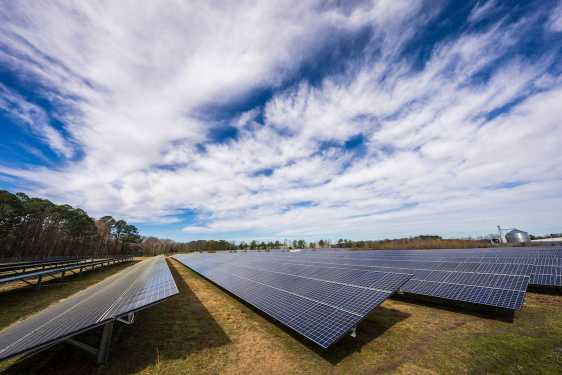
Honestly, it depends on individual and several factors. We will discuss about it based on factors like Location, Energy Needs, Budget, Reliability, Environmental Impact and many more. Then you can decide whether it is worth to have off grid solar system or not.
1. Location: how location affects the decision to use an off-grid solar system

Location is a crucial factor that affects the decision to use an off-grid solar system. Off-grid solar systems are most commonly used in remote areas were connecting to the main power grid is difficult or expensive. In such locations, people may have no other option than to rely on a standalone power system to meet their energy needs.
However, even in areas where grid electricity is available, off-grid solar systems can still be a viable option. For example, if the cost of connecting to the grid is prohibitively high, an off-grid solar system may be a more cost-effective solution. Similarly, if the grid is unreliable or prone to outages, an off-grid solar system may provide a more reliable source of electricity.
Climate and weather patterns are also important considerations when deciding to use an off-grid solar system. Solar panels require sunlight to generate electricity, so areas with high levels of sunshine are ideal for solar energy production. Areas with low levels of sunlight or frequent cloud cover may not be suitable for an off-grid solar system, as they may not generate enough electricity to meet energy demands.
Off-grid solar systems can provide a number of advantages for people living in remote locations, but they also have some drawbacks that must be considered. Here are some advantages and disadvantages of using an off-grid solar system in remote locations:
Advantages:
-
Energy independence: Off-grid solar systems allow people in remote locations to become self-sufficient and generate their own electricity without relying on the grid.
-
Cost savings: In areas where grid connection is not possible or too expensive, off-grid solar systems can provide significant cost savings in the long run, as they eliminate the need to pay for grid electricity.
-
Environmental benefits: Off-grid solar systems generate clean, renewable energy that does not produce greenhouse gas emissions or other harmful pollutants, making them an environmentally friendly option.
-
Reliability: Off-grid solar systems provide a more reliable source of electricity than the grid, as they are not subject to power outages or disruptions that can occur on the grid.
Disadvantages:
-
High upfront cost: The initial investment required to install an off-grid solar system can be high, as it requires solar panels, batteries, and an inverter.
-
Limited power output: Off-grid solar systems have limited power output, which can be a disadvantage for households or businesses with high energy demands.
-
Maintenance: Off-grid solar systems require regular maintenance, including cleaning the solar panels and monitoring battery levels, to ensure optimal performance.
-
Weather dependence: Off-grid solar systems are weather dependent and may not generate enough electricity during periods of low sunlight, such as during heavy cloud cover or at night.
Overall, the decision to use an off-grid solar system is heavily influenced by location and the specific energy needs and resources of the area. Factors such as grid availability, cost, reliability, and climate must be carefully evaluated when deciding whether an off-grid solar system is the right choice.
2. Energy Needs: how energy needs affect the decision to use an off-grid solar system
Energy needs are a critical factor that affects the decision to use an off-grid solar system. The size and complexity of the off-grid solar system required will depend on the amount of energy needed to power the household or business. Here are some factors to consider when determining energy needs:
-
Daily Energy Consumption: The amount of energy required to power the appliances and electronics in the home or business is the primary factor that determines the size of the solar panel array and battery storage capacity needed.
-
Peak Power Demands: In addition to daily energy consumption, peak power demands should also be considered. For example, if the home or business has air conditioning or other high-power appliances, the off-grid solar system must be able to meet the peak demand during these times.
-
Climate: The climate of the location can affect energy needs. In colder climates, energy needs may be higher due to heating requirements, while in hotter climates, energy needs may be higher due to air conditioning demands.
-
Energy Efficiency: Maximizing energy efficiency by using energy-efficient appliances, lighting, and building materials can reduce energy needs and make it easier to meet them with an off-grid solar system.
-
Future Energy Needs: Consideration should also be given to future energy needs, such as the addition of new appliances or expansion of the home or business.
So, how does the cost of an off-grid solar system relate to energy needs?
The cost of an off-grid solar system is closely related to the energy needs of the household or business. The size and complexity of the solar system required to meet the energy needs will impact the overall cost of the system. Here are some ways in which energy needs and the cost of an off-grid solar system are related:
-
Solar Panel Array: The size of the solar panel array required will depend on the energy needs of the household or business. A larger solar panel array can produce more energy, but it also increases the cost of the system.
-
Battery Bank: The battery bank stores the energy generated by the solar panels for use during periods of low sunlight or high energy demand. The size of the battery bank needed will depend on the energy needs of the household or business. A larger battery bank can store more energy, but it also increases the cost of the system.
-
Inverter: The inverter is a critical component of the off-grid solar system that converts the DC power generated by the solar panels into AC power that can be used to power appliances and electronics. The size and type of inverter required will depend on the energy needs of the household or business. A larger inverter can handle higher power demands, but it also increases the cost of the system.
-
Installation Costs: The installation costs of an off-grid solar system will depend on the size and complexity of the system. The larger the system, the more complex the installation will be, and the higher the installation costs will be.
Examples when an off-grid solar system might be a good investment based on energy needs
An off-grid solar system may be a good investment based on energy needs in the following situations:
-
Remote Locations: Off-grid solar systems are often an excellent investment for homes and businesses located in remote areas that are not connected to the electrical grid. In such cases, installing an off-grid solar system can be more cost-effective than extending grid infrastructure to the property.
-
High Electricity Costs: Homes and businesses with high electricity costs due to location, energy consumption, or other factors can benefit significantly from off-grid solar systems. Solar energy can provide a reliable and cost-effective alternative to traditional electricity sources.
-
Limited Grid Capacity: In some areas, the electrical grid capacity may be limited, leading to frequent power outages or high demand charges. In such cases, installing an off-grid solar system can provide a reliable source of electricity and reduce the reliance on the grid.
-
Sustainable Living: Off-grid solar systems are often used by those seeking a more sustainable lifestyle. Homes and businesses that prioritize environmental responsibility and energy independence can benefit from an off-grid solar system.
-
Backup Power: Off-grid solar systems can also be a good investment for homeowners or businesses looking for a reliable backup power source in case of grid outages. In areas prone to natural disasters, off-grid solar systems can provide a reliable source of power during emergencies.
So, the energy needs of a household or business directly impact the cost of an off-grid solar system. The larger the energy needs, the larger the solar panel array, battery bank, and inverter will be, and the higher the installation costs will be. Therefore, it is important to carefully assess the energy needs of the household or business and work with a professional solar installer to design a system that meets those needs while staying within the desired budget.
3. Budget: how budget constraints might affect the decision to use an off-grid solar system

The costs associated with an off-grid solar system, including installation and maintenance are,
-
Solar Panels: The cost of solar panels varies depending on the size, efficiency, and brand. Higher quality solar panels may cost more, but they typically have a longer lifespan and generate more energy, which can be more cost-effective in the long run.
-
Battery Bank: The cost of a battery bank depends on the size and capacity needed to store energy generated by the solar panels. High-capacity batteries are typically more expensive but can provide longer backup power during periods of low sunlight or high energy demand.
-
Inverter: The cost of the inverter depends on the size and type needed to convert DC power generated by the solar panels into usable AC power. High-capacity and more advanced inverters can be more expensive but may offer better energy efficiency and performance.
-
Installation Costs: The cost of installation depends on the size and complexity of the off-grid solar system, the location of the property, and the cost of labor. Installing an off-grid solar system can be more expensive than installing a grid-tied system due to the need for batteries and additional components.
-
Maintenance Costs: Off-grid solar systems require regular maintenance to ensure they operate efficiently and safely. This can include cleaning solar panels, checking batteries, and ensuring the inverter is functioning correctly. Regular maintenance can help extend the lifespan of the system and prevent costly repairs.
While an off-grid solar system may have higher upfront costs compared to a grid-tied system, the long-term cost savings can make it a worthwhile investment. Here are some reasons why:
-
Energy Independence: With an off-grid solar system, you are not reliant on the grid for your energy needs. This means you do not have to worry about rising energy costs or power outages, giving you greater energy independence and security. Over time, this can translate into significant cost savings.
-
Reduced Energy Bills: Once an off-grid solar system is installed, the energy generated by the solar panels is free, with the exception of maintenance costs. This means that over time, the cost of energy produced by the system can be significantly lower than the cost of energy purchased from the grid, resulting in reduced energy bills and cost savings.
-
Increased Property Value: Installing an off-grid solar system can increase the value of your property. This can provide an additional return on investment if you choose to sell your property in the future.
-
Tax Credits and Incentives: Many governments offer tax credits and incentives for the installation of solar systems. These incentives can help offset the upfront costs of the system and provide additional cost savings over time.
-
Longer Lifespan: Off-grid solar systems typically have a longer lifespan than grid-tied systems, which means they may not need to be replaced as frequently. This can result in additional long-term cost savings.
Budget constraints can be a significant factor in the decision to use an off-grid solar system. The initial investment required for an off-grid solar system can be higher than a grid-tied system due to the additional components required such as batteries and inverters. Therefore, it is important to carefully assess the budget constraints and determine whether an off-grid solar system is feasible.
If budget constraints are a concern, there are several options to consider:
-
Smaller System: One option is to install a smaller off-grid solar system that meets the most critical energy needs. This can help reduce upfront costs while still providing energy independence.
-
Financing: Financing options such as loans, leasing, or power purchase agreements can help reduce the upfront costs of an off-grid solar system. These options can provide more flexibility in terms of budget constraints, and the cost savings from reduced energy bills can offset the financing costs over time.
-
DIY Installation: Another option is to install the system yourself, which can help reduce installation costs. However, it is important to have the necessary technical knowledge and experience to ensure the system is installed safely and operates efficiently.
-
Grid-Tied System with Battery Backup: In some cases, a grid-tied system with battery backup can be a more cost-effective option. This system can provide backup power during power outages while still being connected to the grid. This can help reduce upfront costs while still providing energy independence.
Overall, budget constraints can be a significant factor in the decision to use an off-grid solar system. It is important to carefully assess energy needs, budget constraints, and available options to determine whether an off-grid solar system is feasible. Working with a professional solar installer can help identify the best options based on energy needs and budget constraints.
4. Reliability: how to assess the reliability of an off-grid solar system
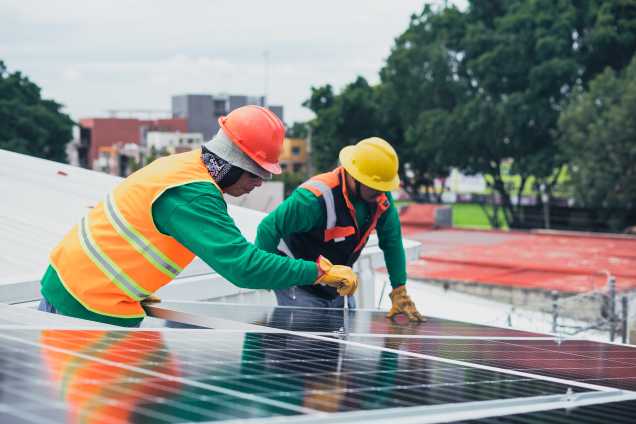
The reliability of off-grid solar systems compared to grid-connected systems can vary depending on several factors. Here are some considerations:
-
Off-grid solar systems require energy storage in the form of batteries to provide power when the sun is not shining. The reliability of the system depends on the quality of the batteries and the amount of energy stored. Proper maintenance and regular battery replacements can help ensure the system remains reliable over time.
-
Off-grid solar systems rely on sunlight to generate power. Therefore, weather conditions such as cloudy or overcast days can impact the reliability of the system. However, with proper sizing and design, an off-grid solar system can be configured to meet energy needs even during periods of low sunlight.
-
Like all energy systems, off-grid solar systems require regular maintenance to ensure reliable operation. This includes cleaning solar panels, checking battery health, and monitoring system performance. Proper maintenance can help ensure the system remains reliable over time.
-
In some cases, off-grid solar systems may require a backup generator to provide additional power during extended periods of low sunlight or battery failure. A reliable backup generator can help ensure energy needs are met even during unexpected events.
-
Grid-tied solar systems are typically more reliable than off-grid systems since they are connected to the grid and can rely on the grid for backup power during outages. However, they are also more vulnerable to power outages due to grid failures.
Battery storage and backup generators are important components in ensuring a reliable energy supply in off-grid solar systems. Here's why:
-
Battery Storage: Solar panels generate electricity during the day when the sun is shining. However, energy needs often continue into the evening and overnight when there is no sun. Battery storage allows excess energy generated during the day to be stored for later use, providing a reliable energy supply during periods of low sunlight or power outages. Properly sized and maintained batteries can provide consistent power supply, increasing the reliability of the solar system.
-
Backup Generators: Backup generators are an additional layer of reliability for off-grid solar systems. During extended periods of low sunlight or battery failure, a backup generator can provide additional power to ensure energy needs are met. A backup generator can also provide an added layer of security in case of unexpected events, such as severe weather or equipment failure.
-
Combined System: By combining battery storage and a backup generator, an off-grid solar system can provide a reliable and consistent energy supply. The batteries can provide power during periods of low sunlight or short-term outages, while the backup generator can provide additional power during extended outages or periods of high demand.
Environmental factors such as weather can affect the reliability of an off-grid solar system in several ways. Here are some considerations:
-
Sunlight Availability: Solar panels generate electricity from sunlight. Therefore, weather conditions that reduce sunlight availability, such as cloudy or overcast days, can impact the amount of energy generated by the system. Properly sized solar panels can help ensure energy needs are met even during periods of low sunlight.
-
Temperature: Solar panels can be affected by temperature changes, which can impact the amount of energy generated. High temperatures can decrease solar panel efficiency, while low temperatures can reduce battery capacity. Proper system design and battery selection can help mitigate the effects of temperature on the system.
-
Wind and Storm Damage: Severe weather conditions such as high winds and storms can damage solar panels and other system components. Proper installation and maintenance can help ensure the system is designed to withstand expected weather conditions in the area.
-
Snow Cover: Snow cover on solar panels can reduce the amount of energy generated by the system. Proper system design, including panel orientation and angle, can help mitigate the effects of snow cover on the system.
-
Dust and Debris: Dust and debris can accumulate on solar panels, reducing the amount of sunlight that reaches the panels and decreasing energy generation. Regular cleaning and maintenance can help ensure the system operates at maximum efficiency.
Overall, environmental factors such as weather can impact the reliability of an off-grid solar system. Proper system design, installation, and maintenance can help mitigate the effects of environmental factors and ensure the system operates reliably over time. It's essential to consider local environmental factors when designing and installing an off-grid solar system to ensure maximum reliability and efficiency.
5. Environmental Impact: how environmental concerns might affect the decision to use an off-grid solar system
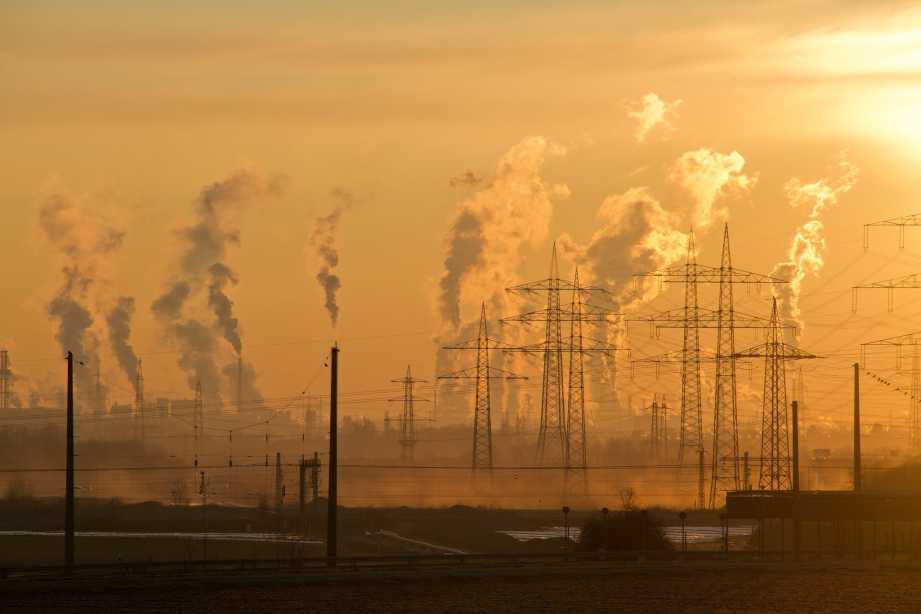
Using an off-grid solar system can have several environmental benefits, including reducing carbon emissions. Here are some environmental benefits of off-grid solar systems:
-
Carbon Emissions Reduction: Off-grid solar systems generate electricity from the sun, producing clean, renewable energy. By reducing or eliminating reliance on traditional grid electricity sources, off-grid solar systems can reduce carbon emissions that contribute to climate change.
-
Lowering Fossil Fuel Consumption: Off-grid solar systems reduce the need for fossil fuel-based electricity generation, which can contribute to air and water pollution, as well as environmental degradation associated with mining and extraction.
-
Reducing Land Use: Traditional power plants require a significant amount of land for power generation and transmission infrastructure. In contrast, off-grid solar systems require minimal land use and can be installed in a variety of locations, including rooftops, parking lots, and remote areas.
-
Lowering Water Use: Conventional power plants require significant amounts of water for cooling and steam generation. In contrast, off-grid solar systems require minimal water use and can provide a sustainable energy source without relying on water resources.
Environmental concerns can be an important factor in the decision to use an off-grid solar system. Here are some ways in which environmental concerns might affect the decision to use an off-grid solar system:
-
Climate Change: Climate change is a significant environmental concern that is driving many individuals and organizations to reduce their carbon footprint. Off-grid solar systems can reduce carbon emissions and help mitigate the effects of climate change, making them an attractive option for those who prioritize environmental sustainability.
-
Environmental Impact of Traditional Power Generation: Traditional power generation sources such as coal and natural gas can have significant environmental impacts, including air and water pollution, habitat destruction, and greenhouse gas emissions. By using an off-grid solar system, individuals and organizations can reduce their reliance on these traditional power sources and lower their environmental impact.
-
Environmental Regulations: Environmental regulations may require organizations to reduce their environmental impact, including their greenhouse gas emissions. In some cases, using an off-grid solar system can help organizations comply with these regulations and avoid penalties associated with non-compliance.
-
Energy Independence: Environmental concerns may also drive the desire for energy independence, particularly in areas where grid electricity is unreliable or unavailable. By using an off-grid solar system, individuals and organizations can reduce their reliance on traditional grid electricity sources and increase their energy independence.
Overall, environmental concerns can be an important factor in the decision to use an off-grid solar system. By providing a clean, renewable energy source, off-grid solar systems can help reduce environmental impacts associated with traditional power generation and support sustainable energy use
In conclusion, whether an off-grid solar system is worth investing in depends on the unique situation and preferences of the individual or organization. The decision can be influenced by various factors discussed in this post such as location, energy needs, installation and maintenance costs, long-term cost savings, budget constraints, and reliability. An off-grid solar system can be a suitable choice for a remote location with modest energy needs and enough sun exposure. Although installation and maintenance may seem costly, long-term savings may make it a worthwhile investment. Financing and tax incentives can also make installation more affordable. While the reliability of off-grid solar systems has improved, it's important to consider environmental factors such as weather. If sustainability and energy independence are top priorities, an off-grid solar system may be a good choice. However, if affordability and reliability are the primary concerns, a grid-connected system may be a better option.